Evgenia B
3 Days in Ireland: What to See in Dublin and Beyond
Three days is plenty for a first taste of Dublin. On top of that, there's time to catch the sea breeze in Howth and see seals in their natural habitat. Sharing the route and tips that will help you plan a great trip and have a great time in Ireland.
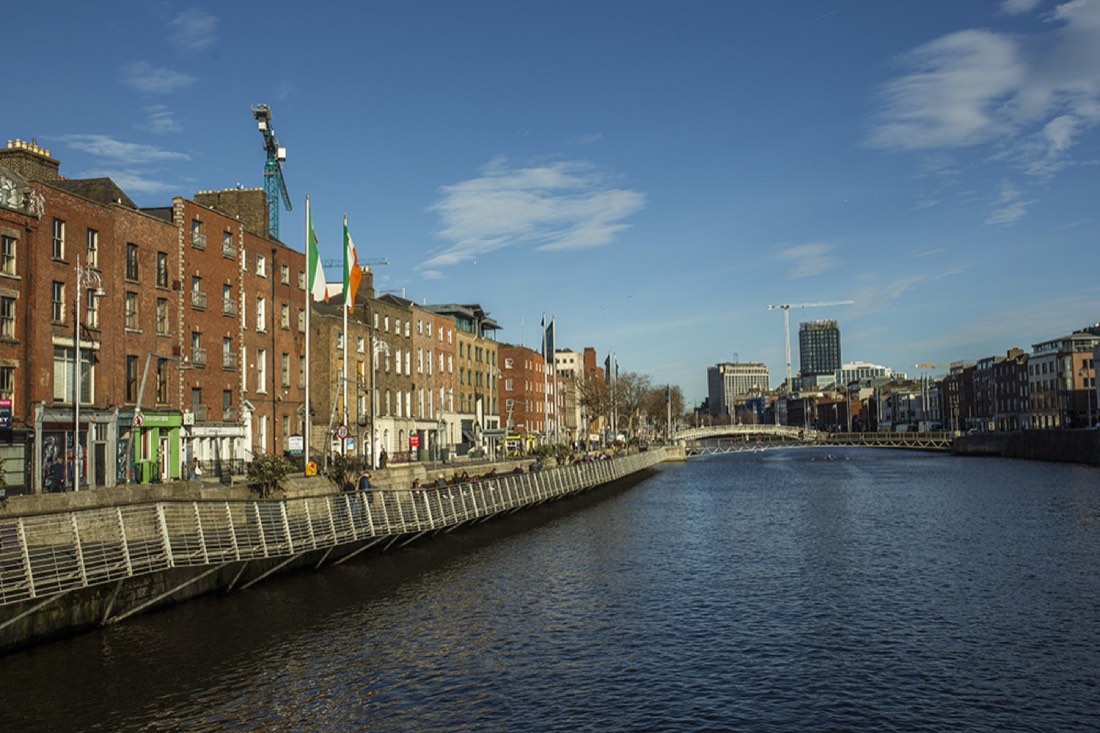
The most expensive part of the trip is lodging. I booked a room with its own bathroom in the city center through Airbnb. It cost me €80 a night. On the plus side, the host lived in the apartment and recommended a bunch of local spots, plus told me a bit about the city's history and how locals feel about Britain.
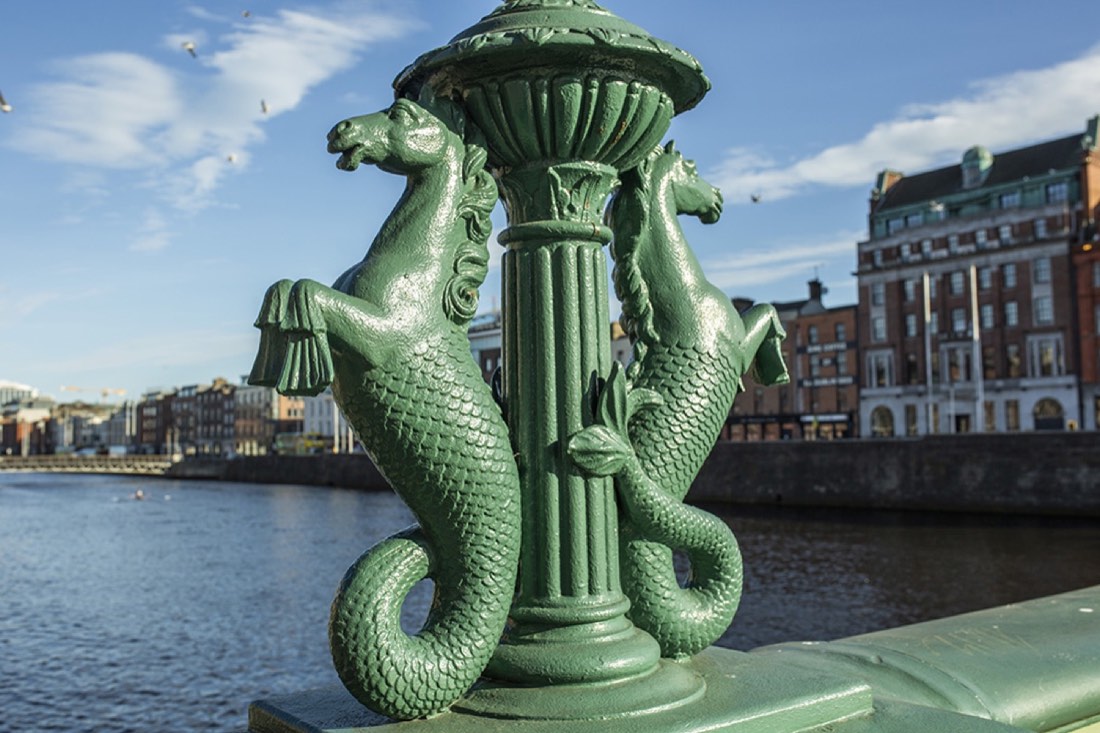
💡 For centuries the island was under British rule, starting with the Norman invasion in the 12th century. Tensions escalated over religious divides — most Irish were Catholic, while English rule favored Protestantism. Major uprisings became symbols of Irish resistance. In 1921, after a bloody war of independence, the country won partial freedom, forming the Irish Free State, but Northern Ireland remained part of the United Kingdom — becoming a source of long-running conflict. In 1949 Ireland officially became a republic, fully severing ties with the British crown.
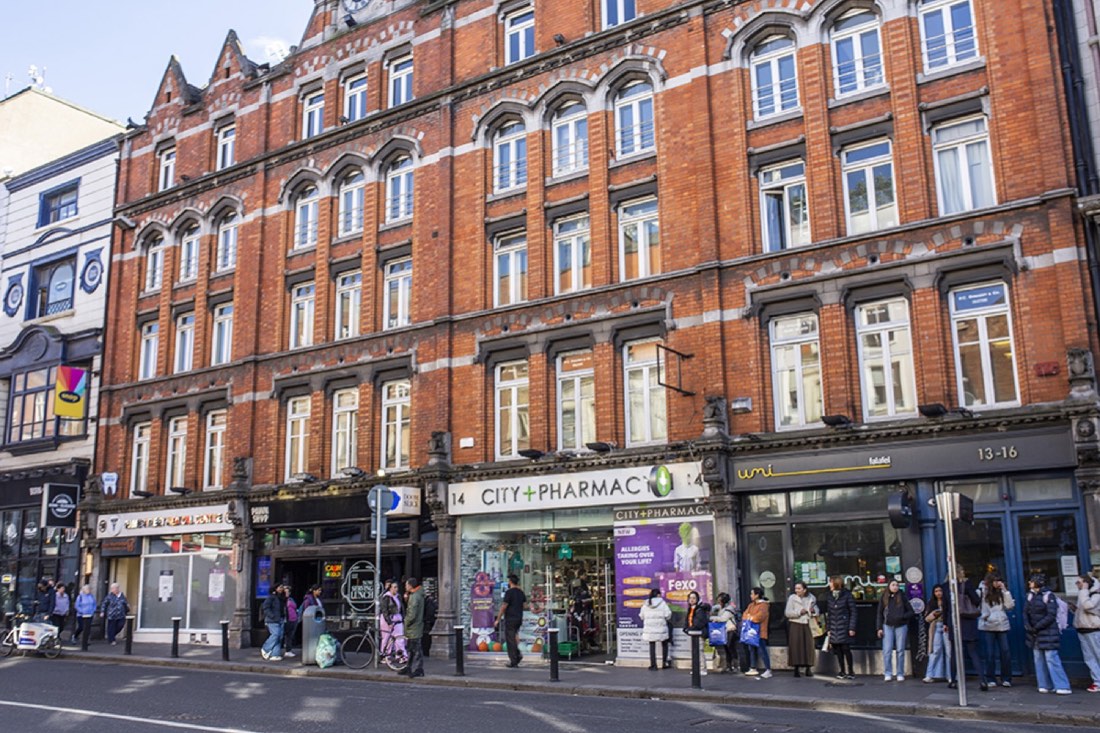
The Irish attitude toward the British is complicated and layered, weighed down by history, but it's softened over the years. Modern Ireland is a progressive European nation where many people separate the politics of the past from the present. My host told me that the younger generation often has neutral or even friendly relations with the British, especially given the close economic, tourism, and cultural ties. Still, the topic of British rule can stir up strong feelings, especially around Northern Ireland. My wish to visit Belfast got a strained smile in response. So while you'll be served warmly at a Dublin pub, it's better not to joke about the Queen or the English monarchy. 😉
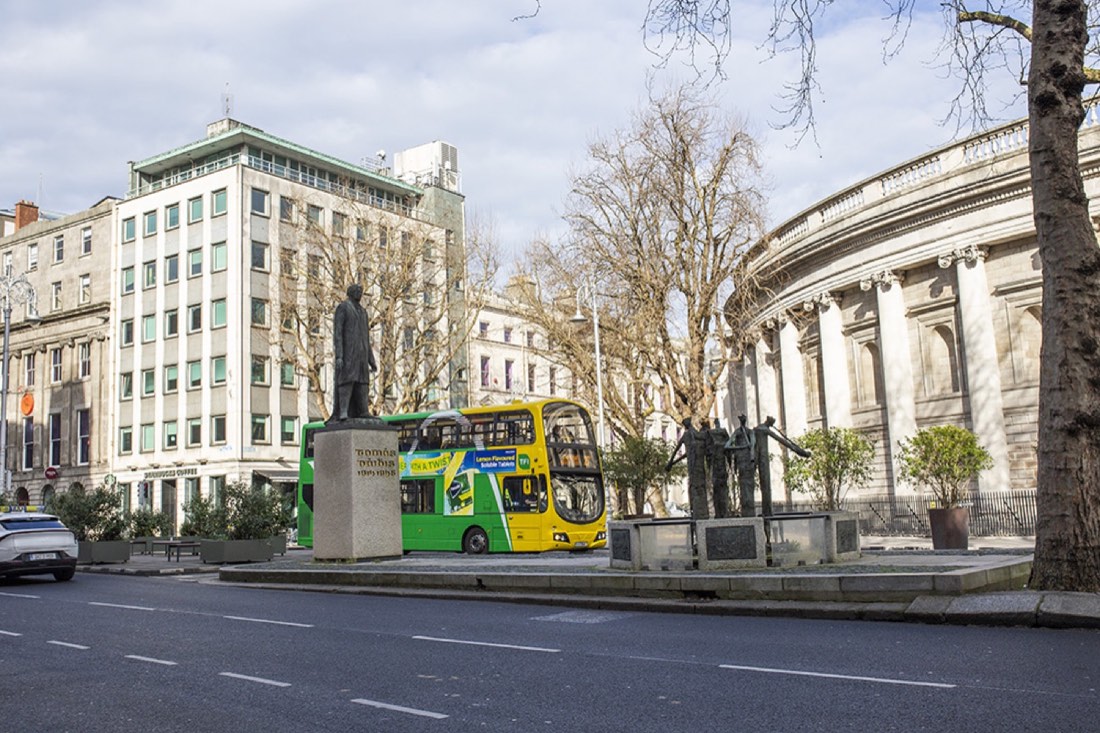
Dublin's old name, "Dubh Linn," translates to "black pool," which served as a harbor for Viking ships in the 9th century. There's also another name — "Baile Átha Cliath," "settlement at the ford," which has survived in the Irish language as the capital's official name to this day.
To understand the city's unique character, you have to feel it: walk along the River Liffey, duck into old pubs, explore the streets that still whisper legends of the Vikings.
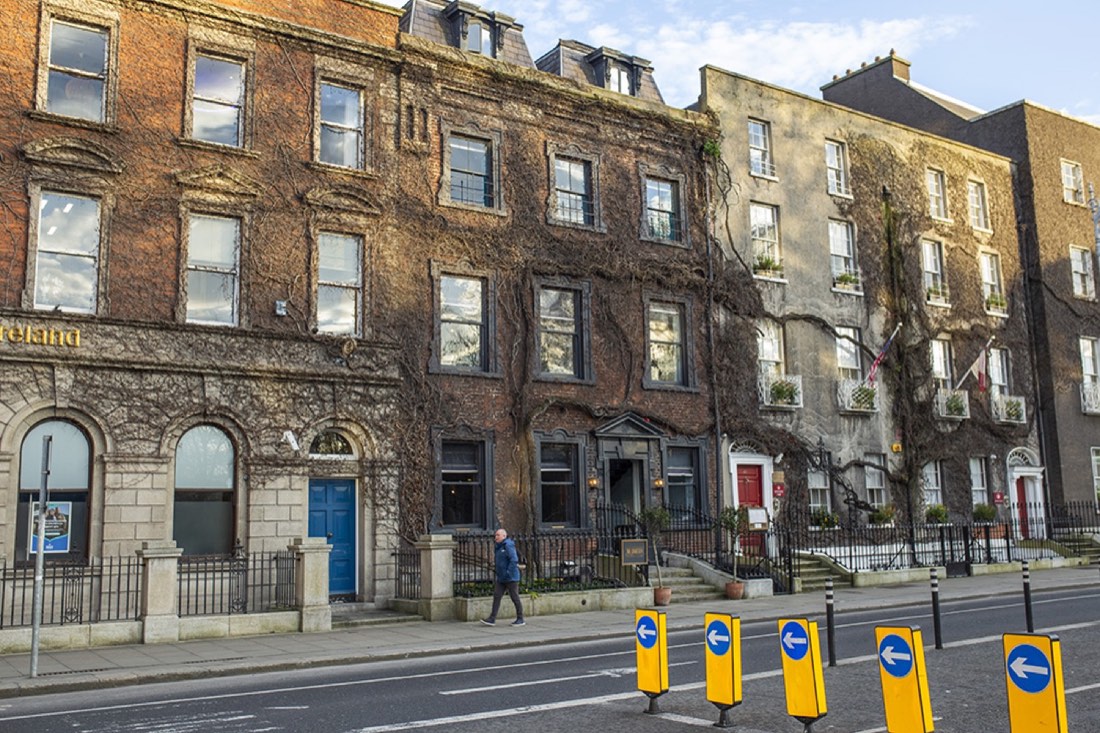
Day one: Historic Dublin and culture
Today you'll wander Dublin's old, bustling streets and take in the city's key landmarks.
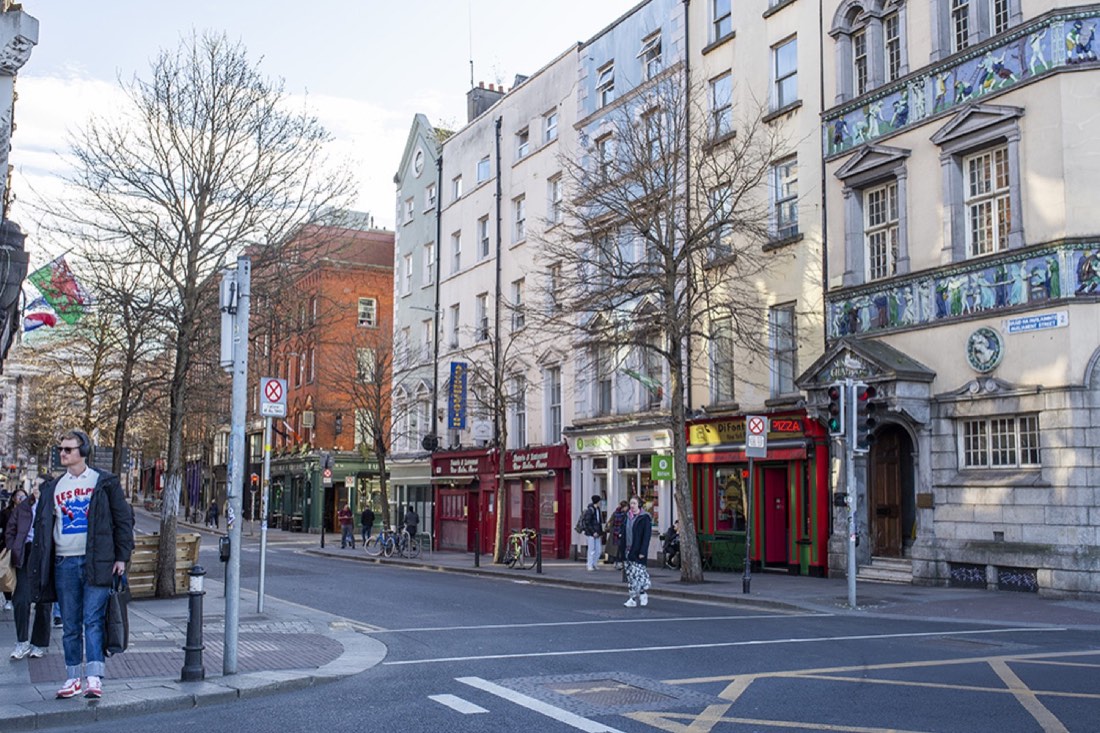
THE ROUTE
09:00 - Breakfast at a café (Joy of Cha, Lemon Jelly Cafe, Alma, Jay Kays Cafe, Smithfield's Urbanity).
I was struck by the sheer amount of good coffee and the variety of breakfasts. So don't skip this meal. Breakfast with coffee will run you about €10-15 (2025 prices).
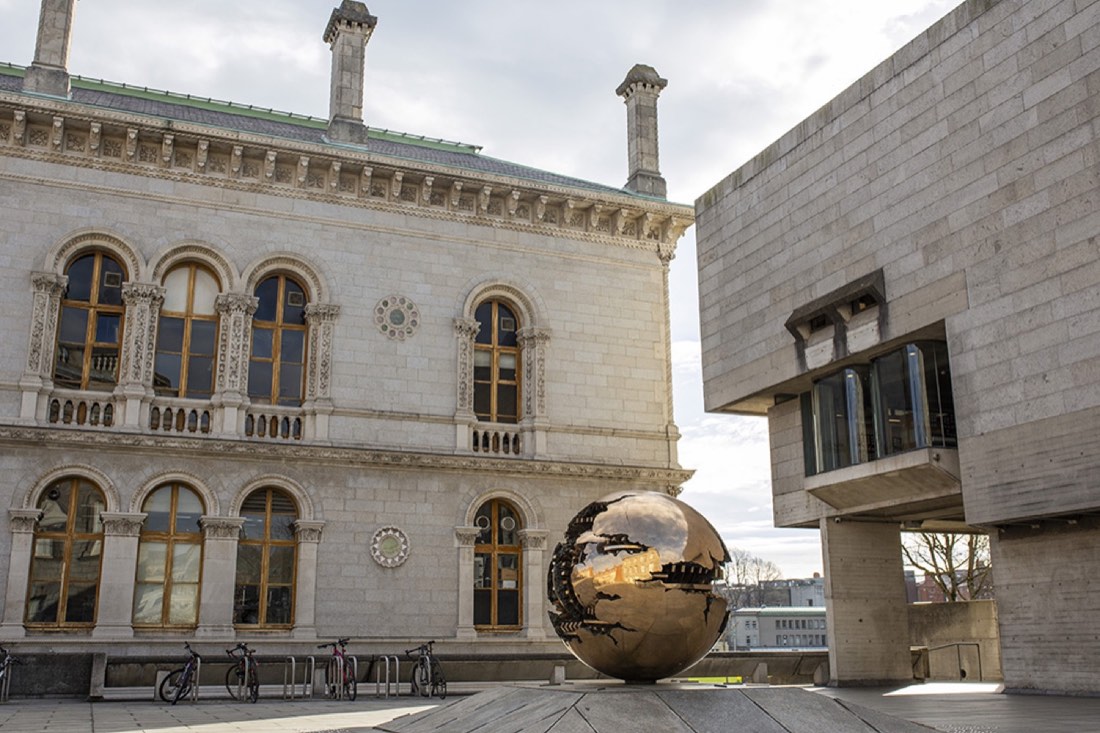
10:00 - Trinity College — one of the world's most famous universities.
Renowned Irish writers studied here, including Oscar Wilde, Jonathan Swift, Samuel Beckett, and Bram Stoker. Entry to the university grounds is free. The main attraction is the Book of Kells Experience, home to the world's longest single-chamber library, holding around 200,000 books. I didn't go inside myself, given the crowds and the fairly steep €25 price tag. You can buy tickets online and book a specific time slot to skip the queues.
11:00 - Dublin Castle, once the seat of English rulers, now a state museum.
There are a few ways to visit the castle:
- Free: if you just want to see the grounds.
- Self-guided: entry costs €8.
- Guided tours: these can be booked online in advance.
If you're short on time, skip the castle and just take in the facade and the Dublin Castle Gardens.
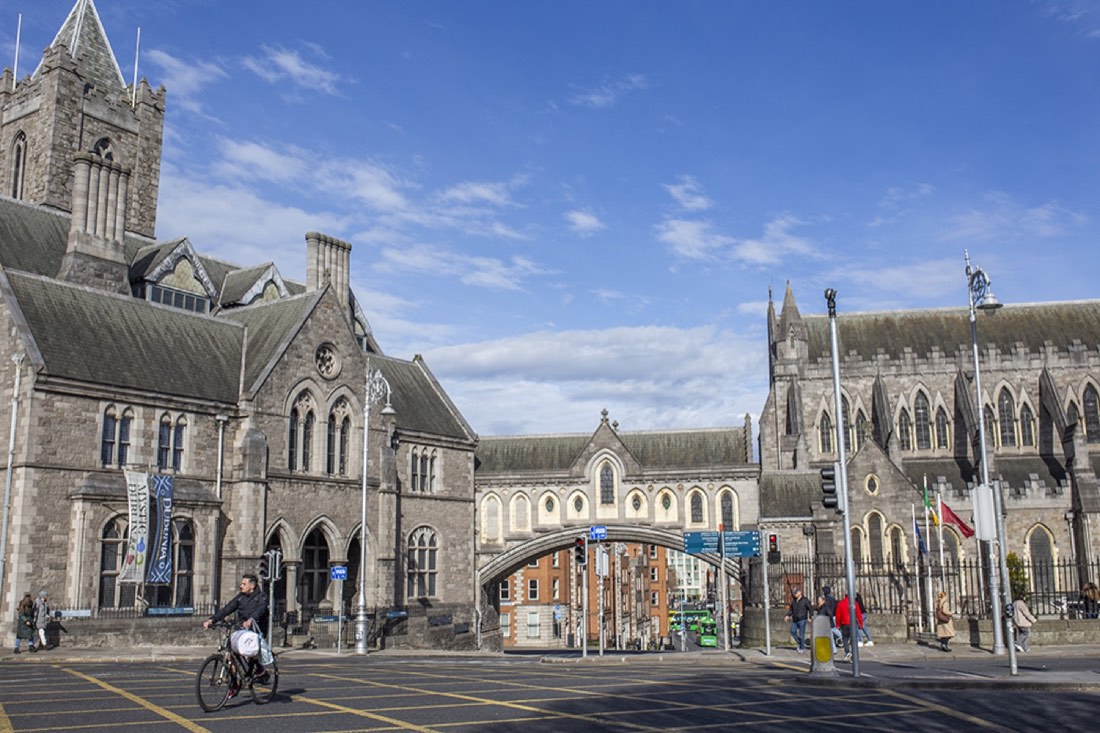
12:00 — Take a look at Christ Church Cathedral.
Built in stone in the early 11th century, Christ Church Cathedral has gone through several transformations over the centuries. Inside you'll find beautiful stained glass, striking exhibits, and a crypt holding mummified remains.
Dublin fact: the cathedral was founded by the Viking king Sitric Silkbeard, who converted to Christianity and built the church on the site of a wooden Norse church.
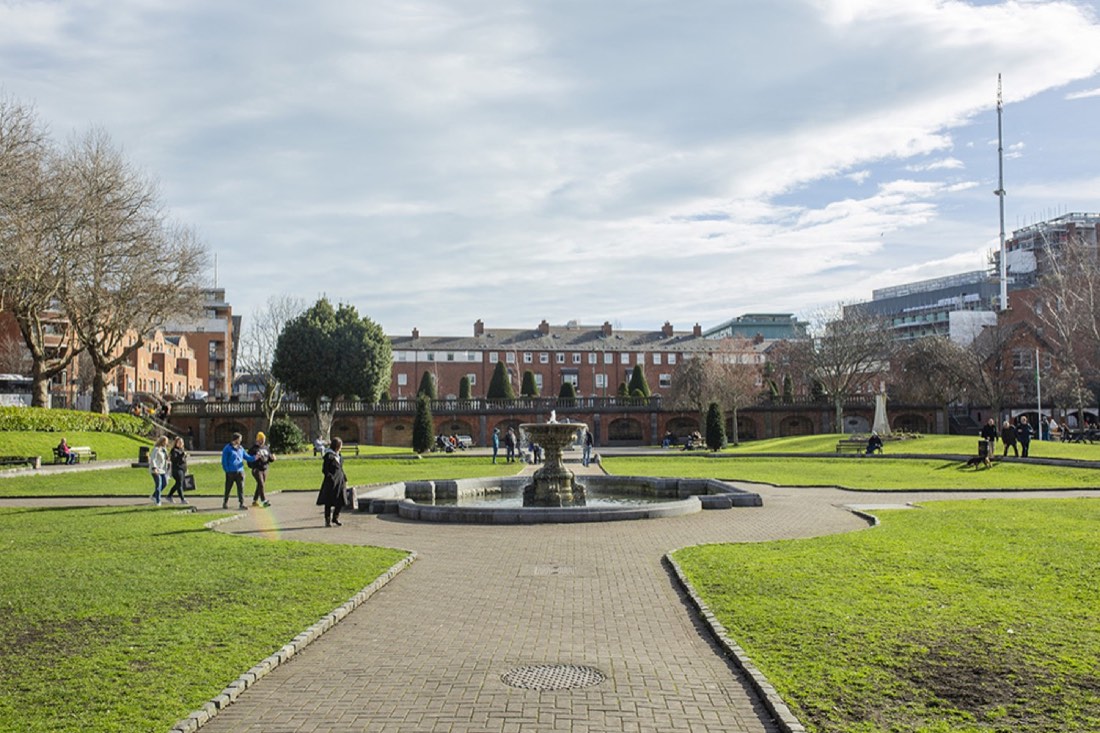
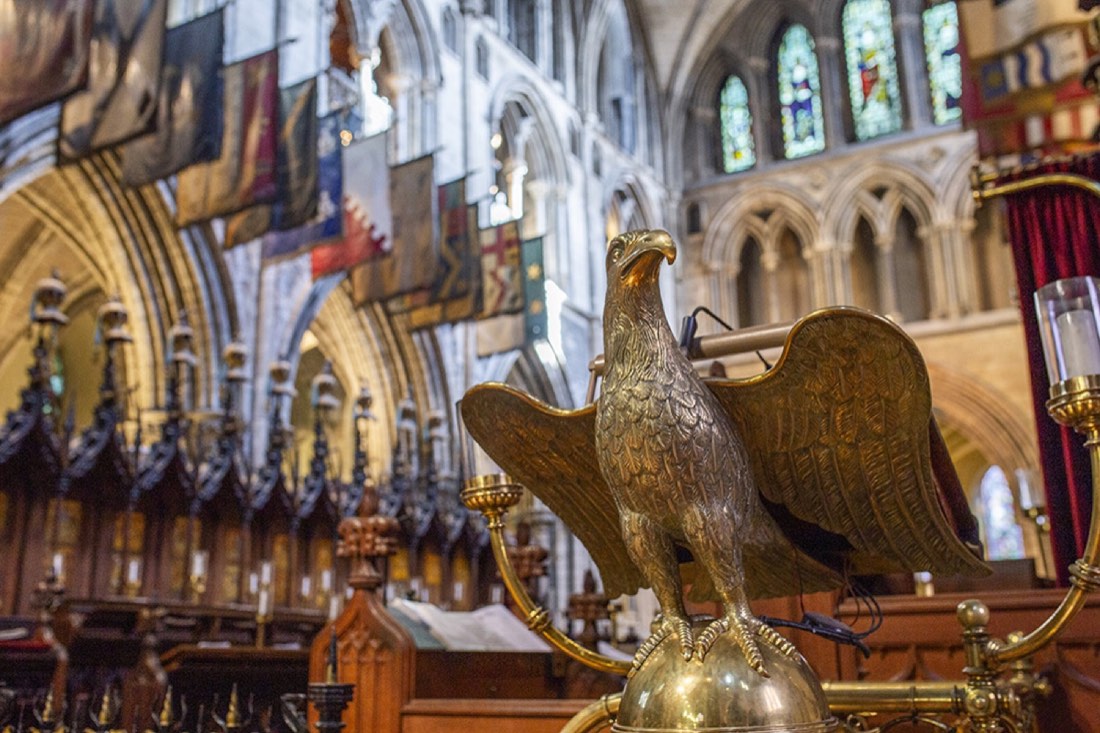
13:30 — St Patrick's Cathedral, Ireland's largest cathedral, where Jonathan Swift once served.
According to legend, on the site where the cathedral now stands, Saint Patrick — Ireland's patron saint — baptized locals by a sacred well back in the 5th century. That well was so significant that even after the church was built, an opening was left in the floor as a reminder of the event. One of the most famous figures associated with the cathedral is Jonathan Swift, author of Gulliver's Travels.
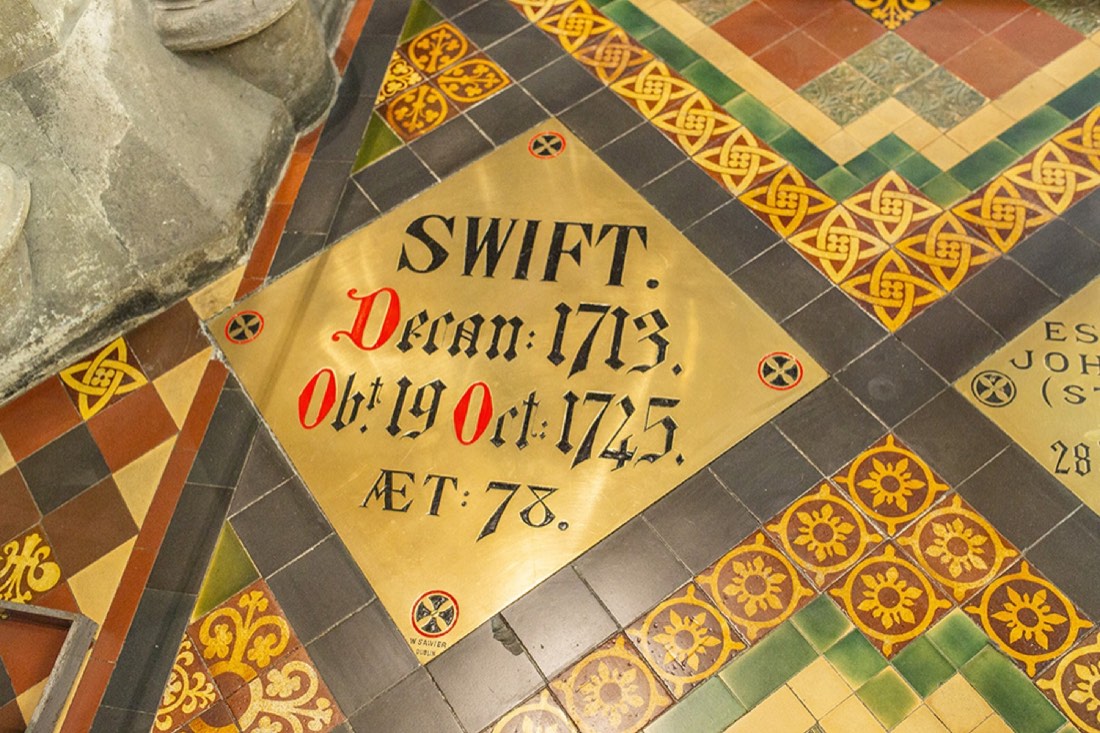
He served as dean of the cathedral from 1713 to 1745, leaving behind not just a literary legacy but traces within the church itself. For instance, you can see his gravestone and the epitaph he wrote himself.
One of the most remarkable stories is tied to the Door of Reconciliation. In the 15th century, two feuding Irish families, the Ormondes and the Kildares, were at war. At one point the Ormondes barricaded themselves in the cathedral's chapel for safety. The Earl of Kildare cut a hole in the door and reached his hand through — a gesture of trust. Seeing there was no trap, the Ormondes shook the offered hand, ending the conflict. That's where the Irish phrase "to offer the hand of friendship" comes from.
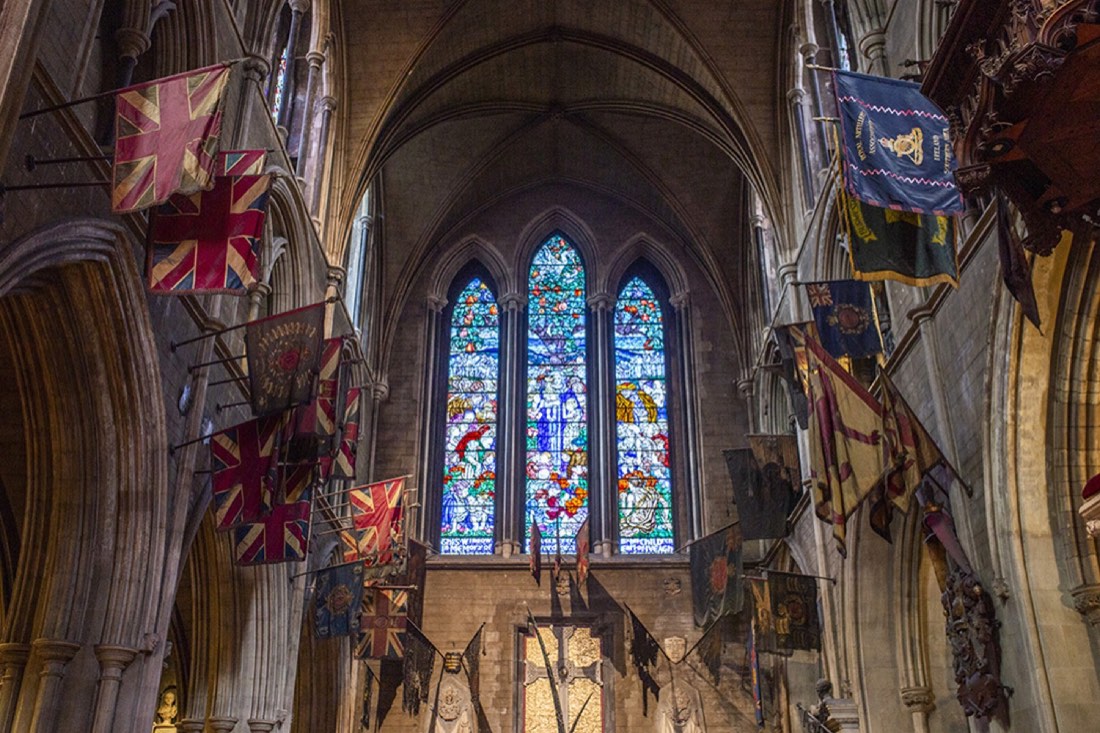
Over its history the cathedral has seen many fires and periods of ruin. In the 19th century, thanks to funding from Arthur Guinness (yes, that Guinness), the cathedral was restored. Entry costs €11.
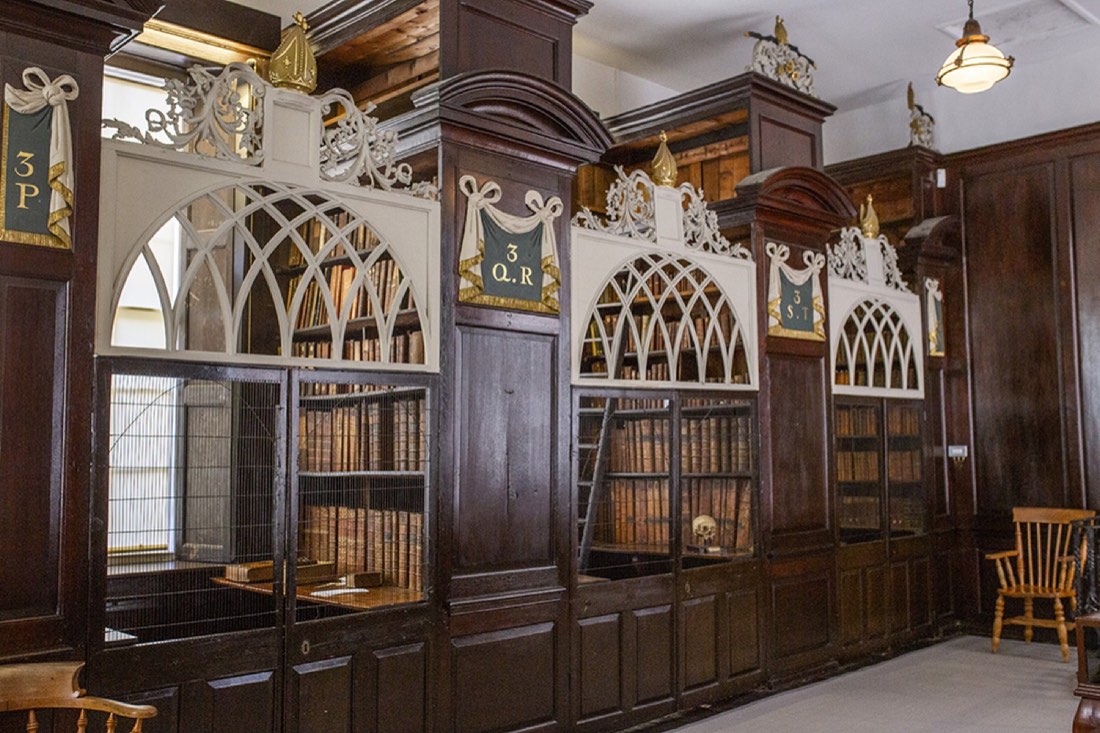
After the cathedral, I stopped by Ireland's oldest library — Marsh's Library. Opened in 1707, it holds over 25,000 rare books and manuscripts, including works from the 15th–18th centuries. Entry to the library is free for Ukrainians.
14:30 — Lunch at The Brazen Head, Ireland's oldest pub, founded in 1198.
This historic spot has hosted literary legends like James Joyce and Brendan Behan. Nearby there's also a more budget-friendly option — Queen of Tarts, with tasty pies and sandwiches. You can also grab a sandwich or a ready meal at grocery stores like Marks & Spencer or Spar. From there you can walk along the River Liffey and take in some art at the National Gallery of Ireland.
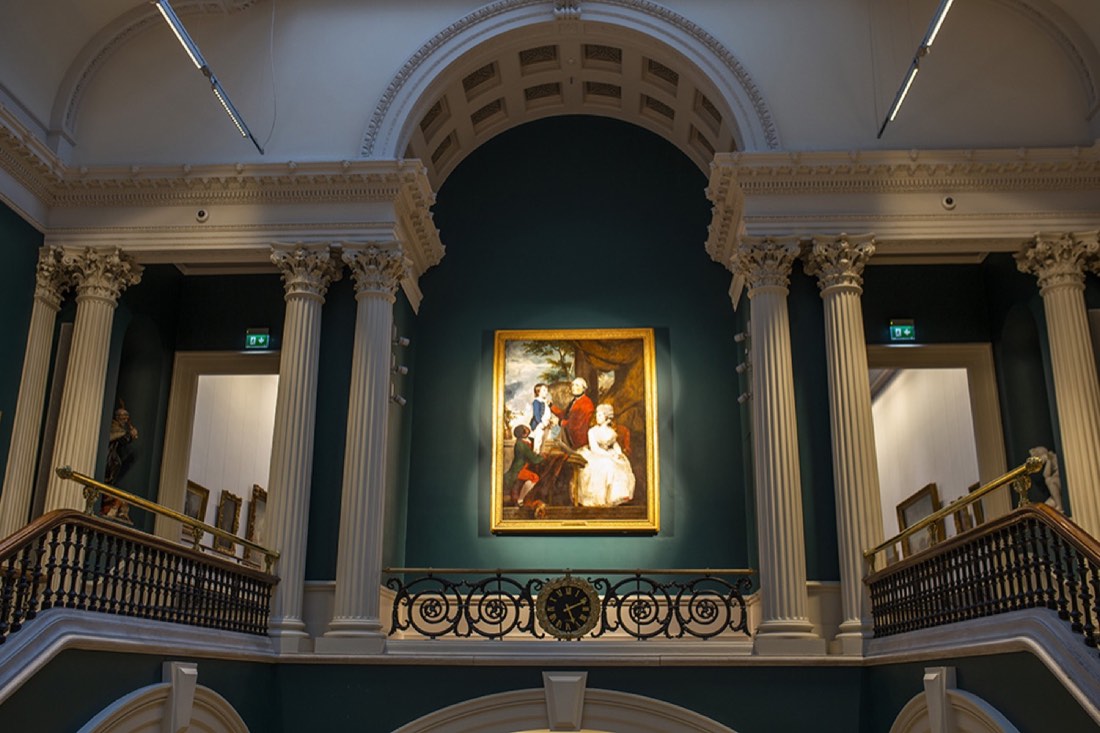
15:30 — National Gallery of Ireland (free entry).
In 1853, a major industrial exhibition was held at Leinster House, featuring a display of artworks. Dubliners loved the event so much that it was decided to organize a permanent state art collection.
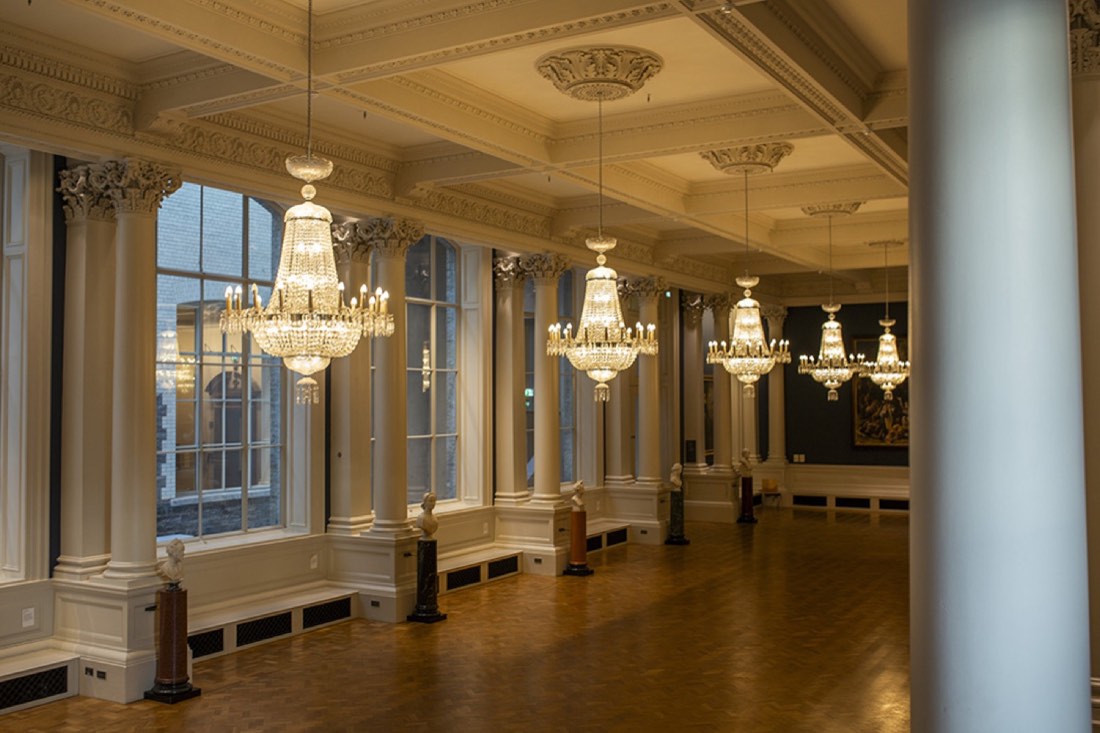
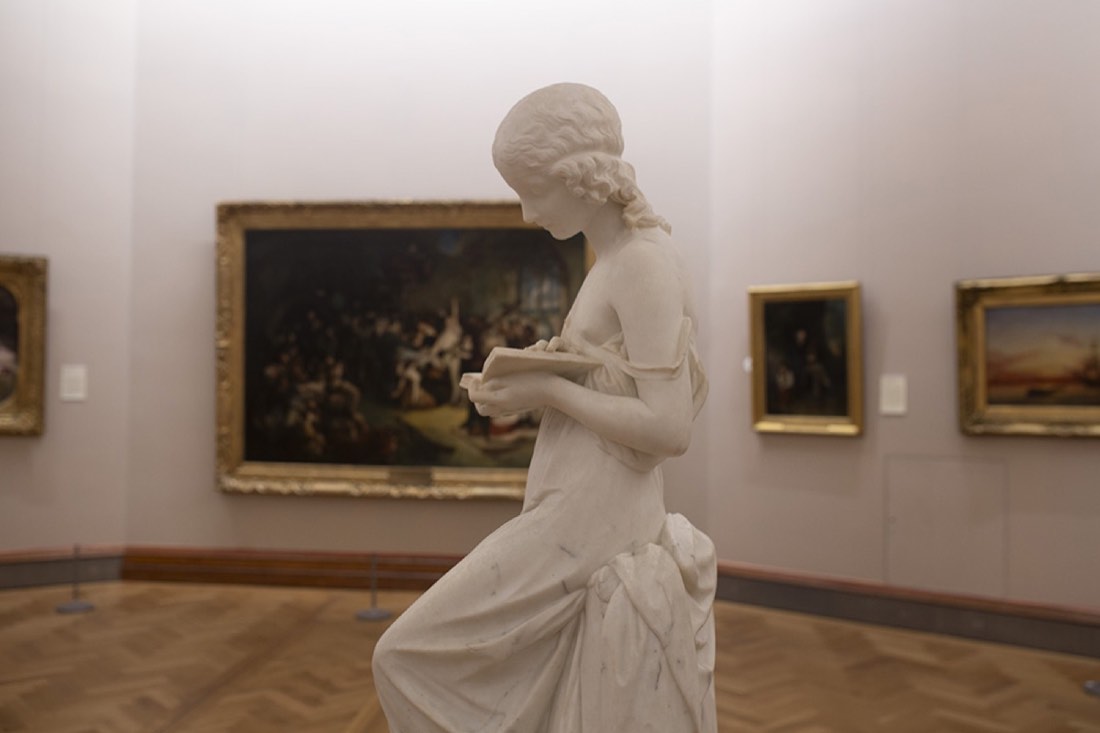
Eleven years later, a purpose-built gallery opened. Today it holds a large collection of Irish painting, along with works by Italian and Dutch masters. Closes at 17:30.
17:30 — A walk through Merrion Square and the Oscar Wilde statue.
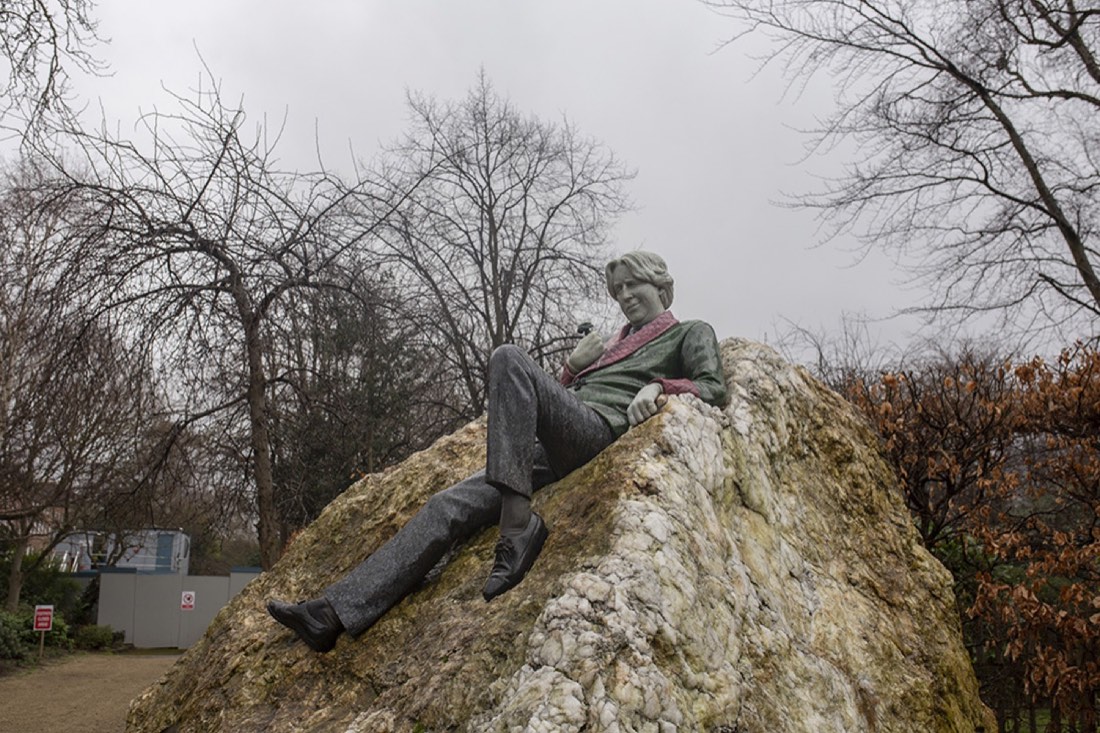
Danny Osborne's colorful Wilde statue was made from semi-precious stones, reflecting the writer's love of beautiful objects; his bright green jacket is made of jade, and his pink collar and cuffs are carved from thulite. The stone pillars around the statue are covered in quotes from his work. His facial expression differs on each side of his face. One of the pillars depicts his wife, Constance, as a nude, pregnant woman.
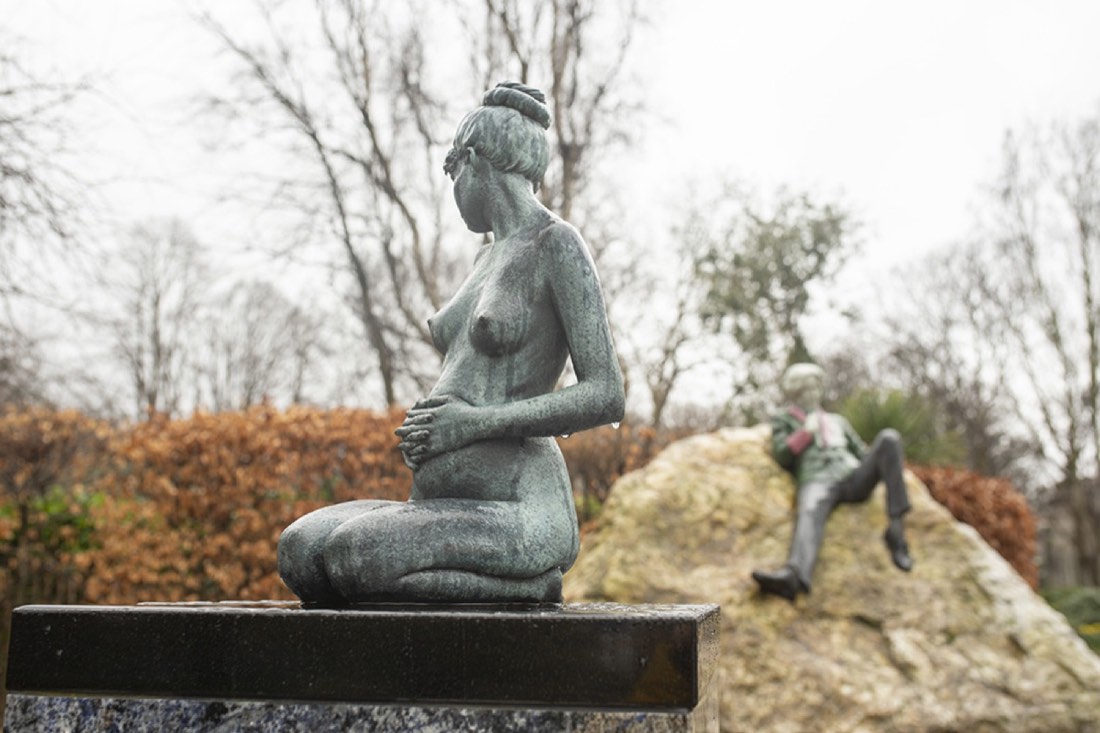
Another column shows a male torso representing Dionysus, the Greek god of drama and wine. Right next to the monument is a children's playground called the "Garden of the Giants," named after Wilde's early fairy tale "The Selfish Giant." Oscar Wilde's family home stands right across the road.
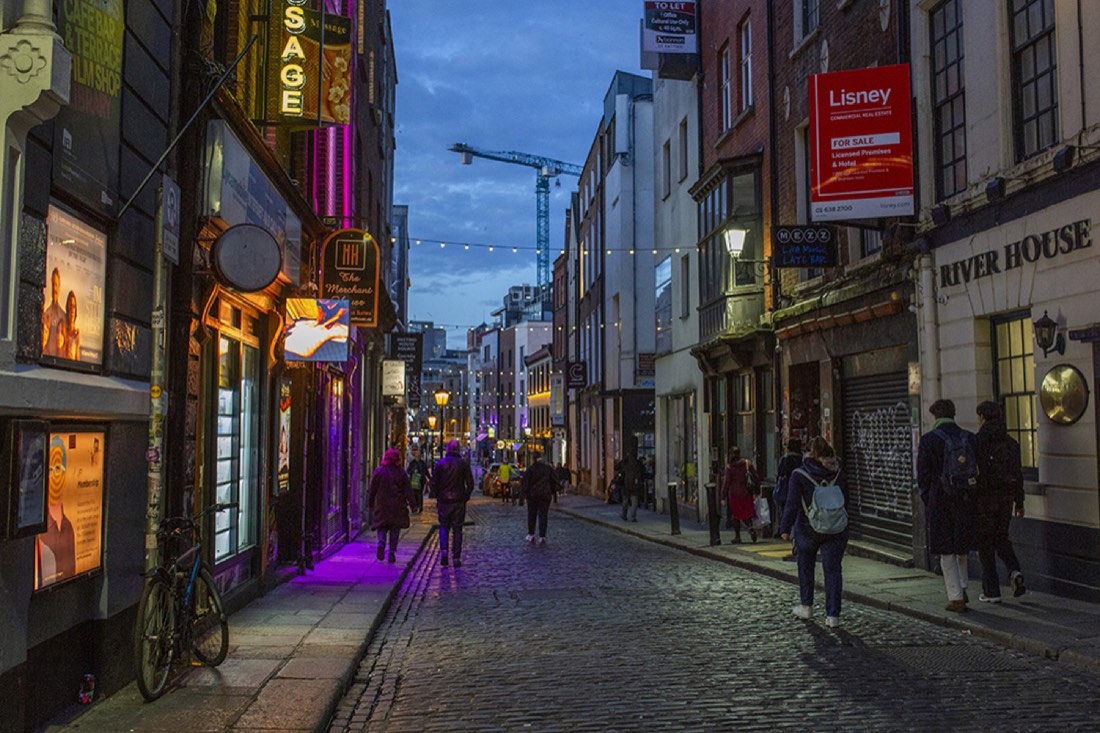
19:00 — A walk through Temple Bar, the iconic district of colorful pubs.
Temple Bar is the heart of Dublin's cultural life, a district that's undergone a genuine transformation. It was once marshland, then upscale estates, and later a red-light district with a run-down look.
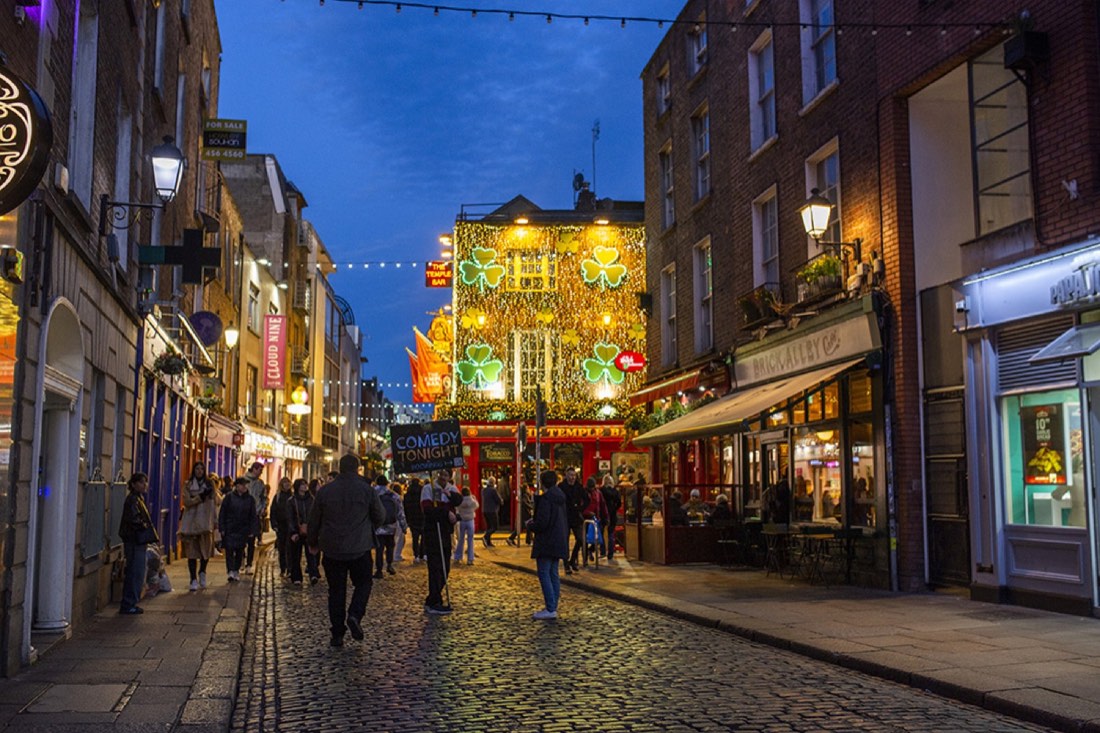
In the 1990s it was rescued by artists moving into cheap buildings, and the city decided to turn the area into a creative hub. Today Temple Bar is cobbled streets, art galleries, theaters, bookshops, and street musicians. It's always loud and lively here.
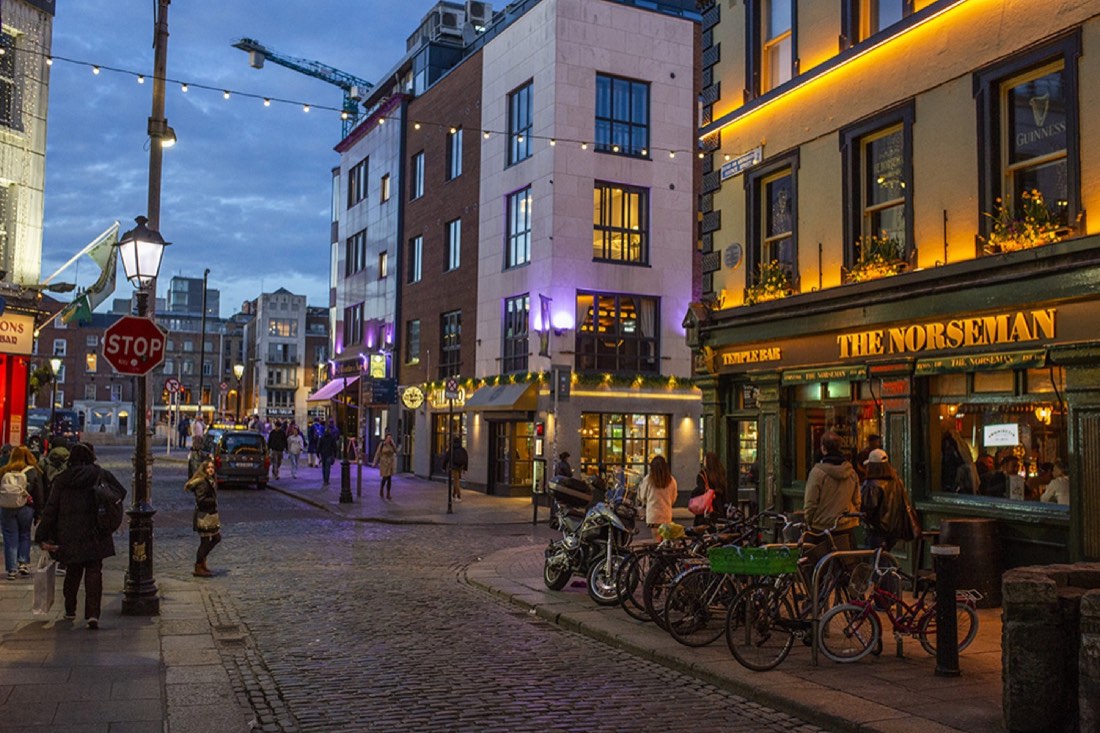
Don't miss the Ha'penny Bridge along the way — the city's most famous bridge. Built in the early 1800s, it was Dublin's first toll bridge, named for the cost of crossing — a half penny. It's a landmark you'll see on postcards and tourist brochures.
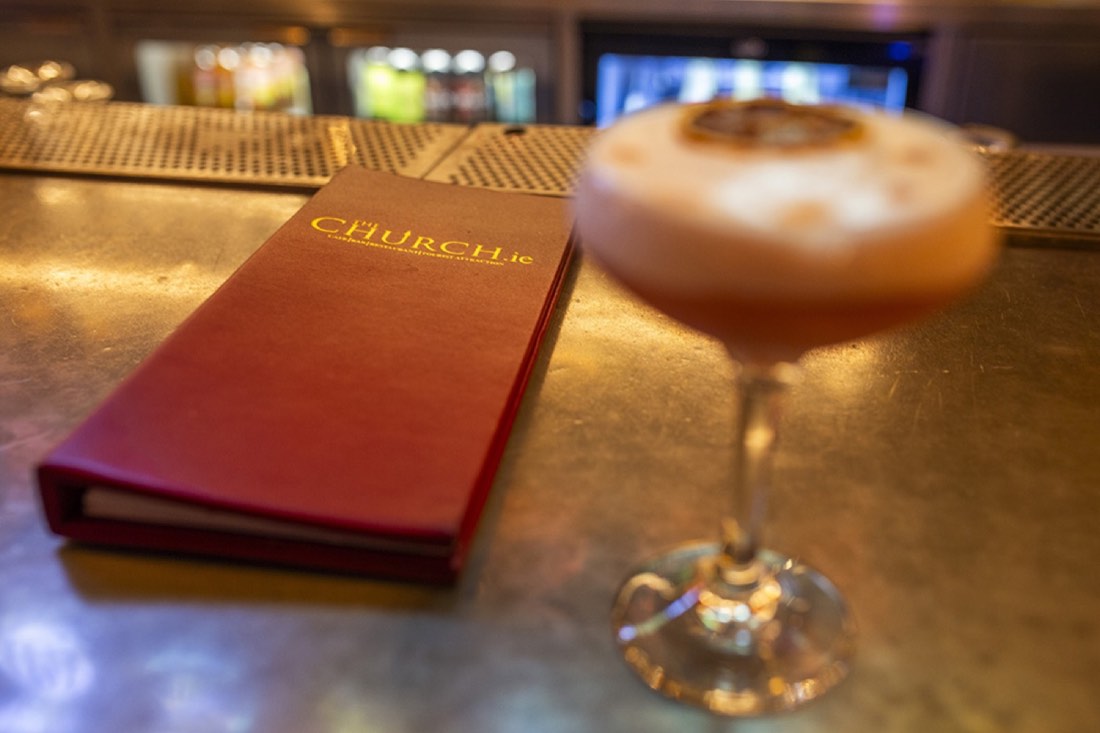
20:00 — Church Bar, a unique bar set inside a former church, where Arthur Guinness himself once got married. I'd never been anywhere like it, so it was quite interesting. I liked the atmosphere and the tasty cocktails. On the downside — pushy service and a lot of people.
Day 2: Dublin through culture, history, and quiet corners
10:30 — Phoenix Park and the residence of Ireland's president
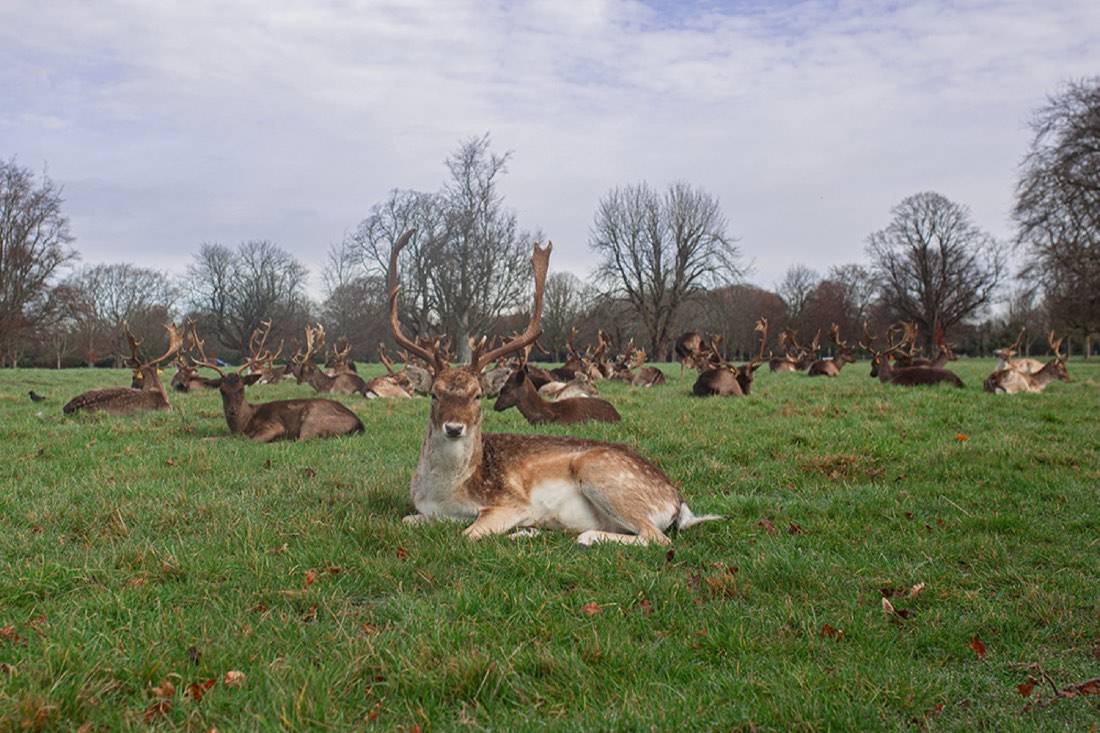
After breakfast, I'd recommend heading to Phoenix Park — the largest enclosed public park in Europe, spanning 700 hectares. It was established in 1662 as a deer reserve and later became a city park. It's a stretch of wild nature right in the heart of Dublin, where you can spot real herds of deer roaming freely among the green lawns and dense trees.
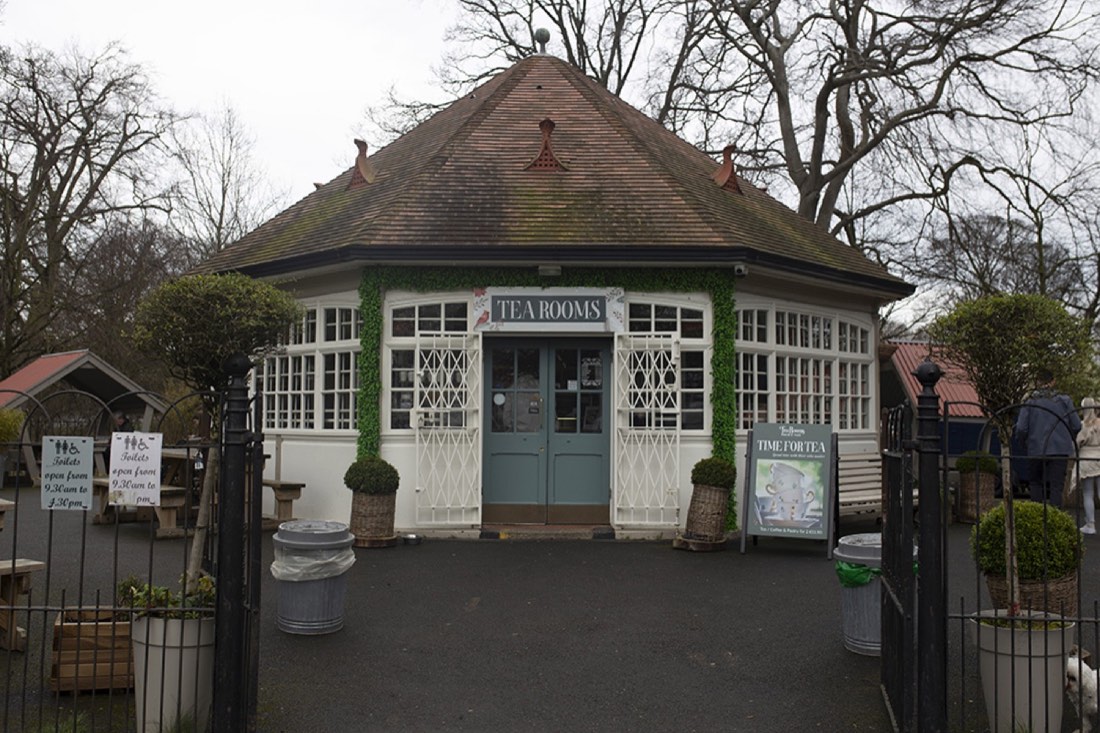
If you feel like a cup of tea, pop into the cozy little café right in the middle of the park.
13:00 — Guinness Storehouse, or a cultural route for non-drinkers
Beer lovers can visit the Guinness Storehouse — an interactive museum set inside the former Guinness brewery building. It's one of Ireland's most-visited attractions, spread across seven floors telling the story of the famous beer's production, history, and drinking traditions. The highlight is the panoramic Gravity Bar with its view over Dublin.
For those looking for an alternative, Dublin offers a rich choice of museums:
EPIC The Irish Emigration Museum — a modern interactive museum on the history of Irish emigration. You'll learn how the Irish shaped culture, science, music, and politics around the world. Entry — €19.
The Museum of Modern Art — housed within the walls of a former 17th-century Royal Hospital, now home to a collection of over 3,500 works by Irish and international artists. Free entry.
The National Museum of Ireland — combines three museums in Dublin:
- The Museum of Archaeology — with Celtic-era treasures and bog mummies;
- The Museum of Decorative Arts and History — with exhibits on fashion, ceramics, furniture, and weapons;
- The Museum of Natural History — with striking animal specimens.
Free entry.
The Little Museum of Dublin — a small but atmospheric museum that, through unique items donated by locals, tells the story of 20th-century Dublin. It's already been named the city's best museum by the Irish Times. My host recommended this one too.
Kilmainham Gaol — a museum for anyone who wants to learn more about the fierce fight for Irish independence.
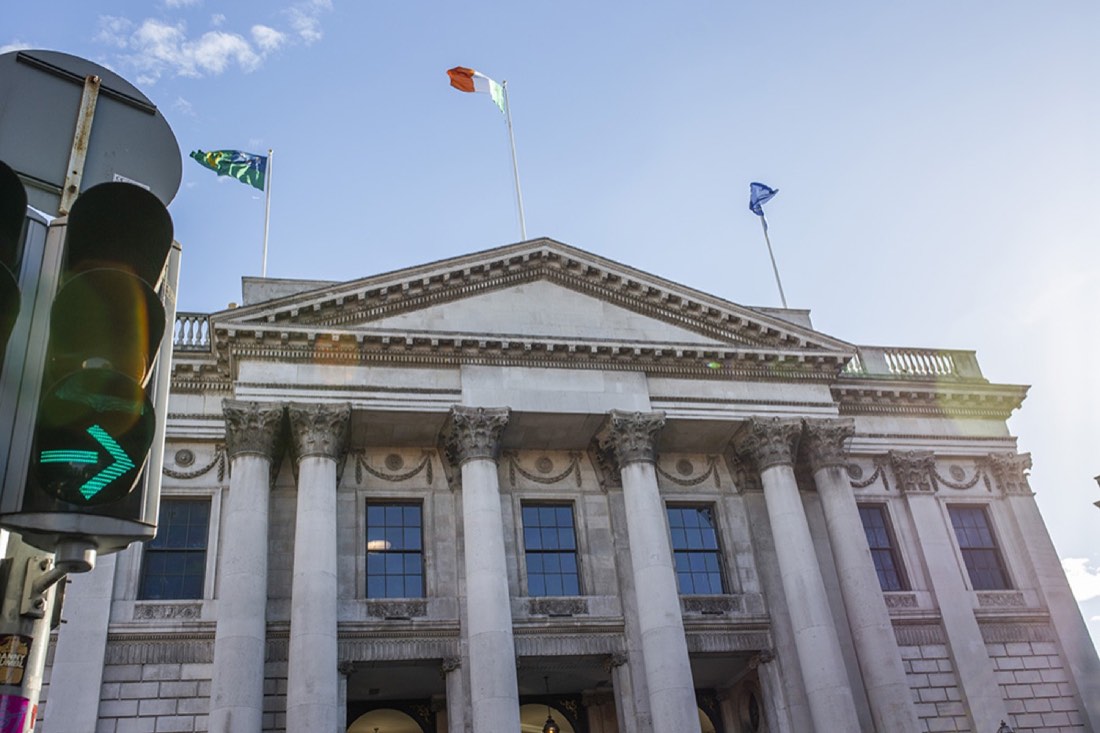
15:00 — Lunch
Take a lunch break at any local spot, depending on where in the city you find yourself.
16:00 — A walk down Grafton Street and through St Stephen's Green
Grafton Street is one of Dublin's most famous pedestrian streets. It's known for its shops, street musicians and artists, plus colorful side streets like Anne Street, home to the traditional pub John Kehoe and colorful umbrellas hanging over the buildings.
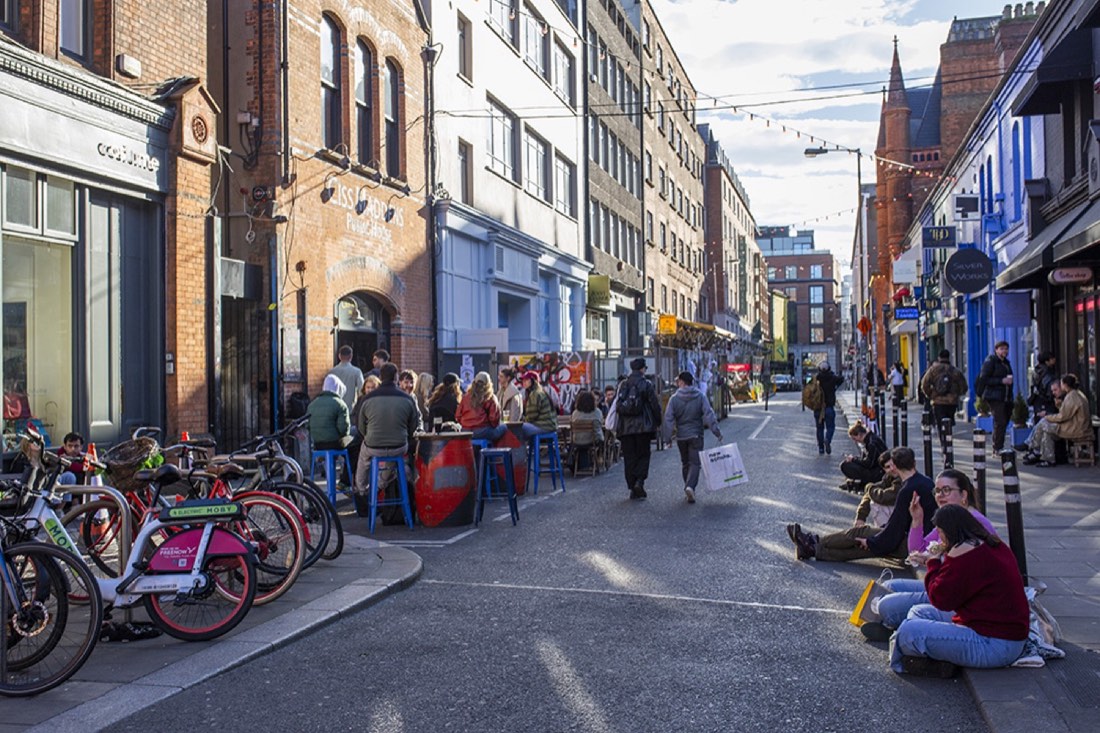
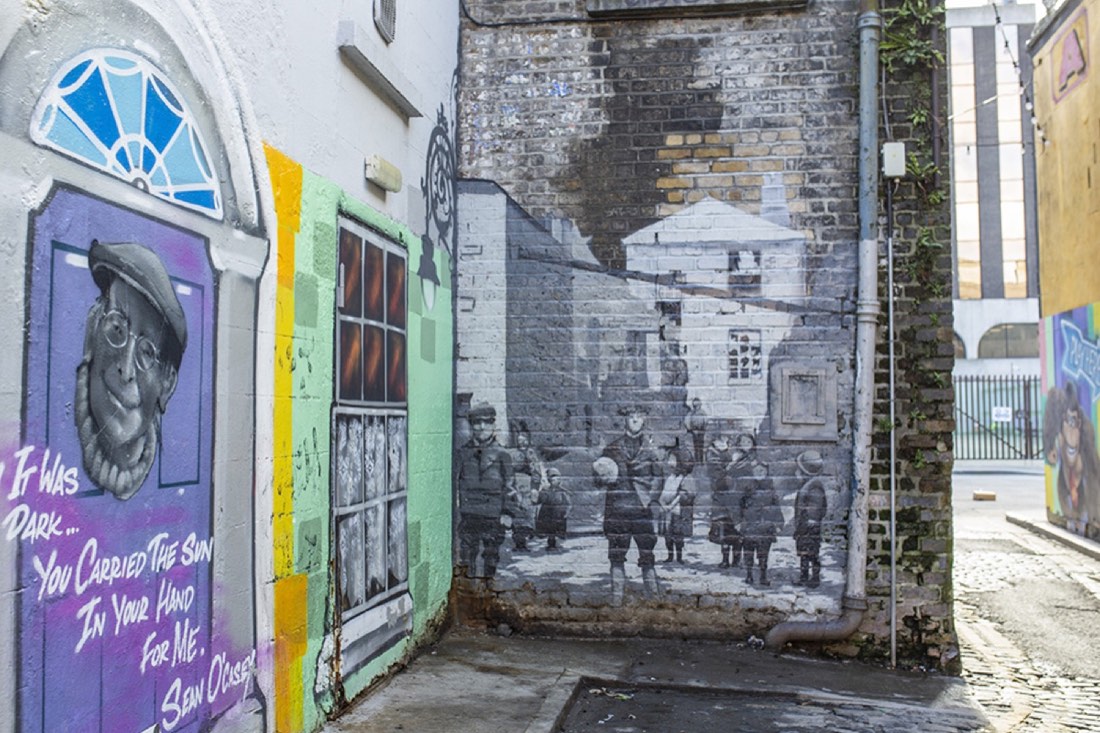
Pop into St Stephen's Green Shopping Centre — a shopping mall with striking architecture that resembles a 19th-century railway station.
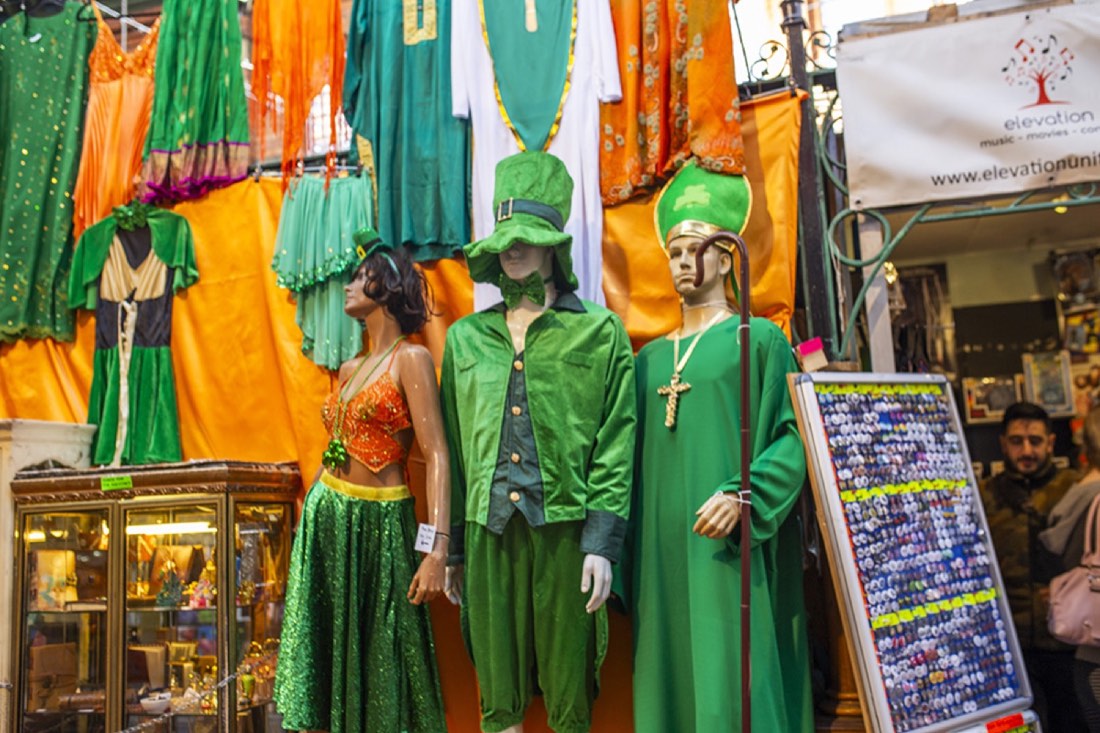
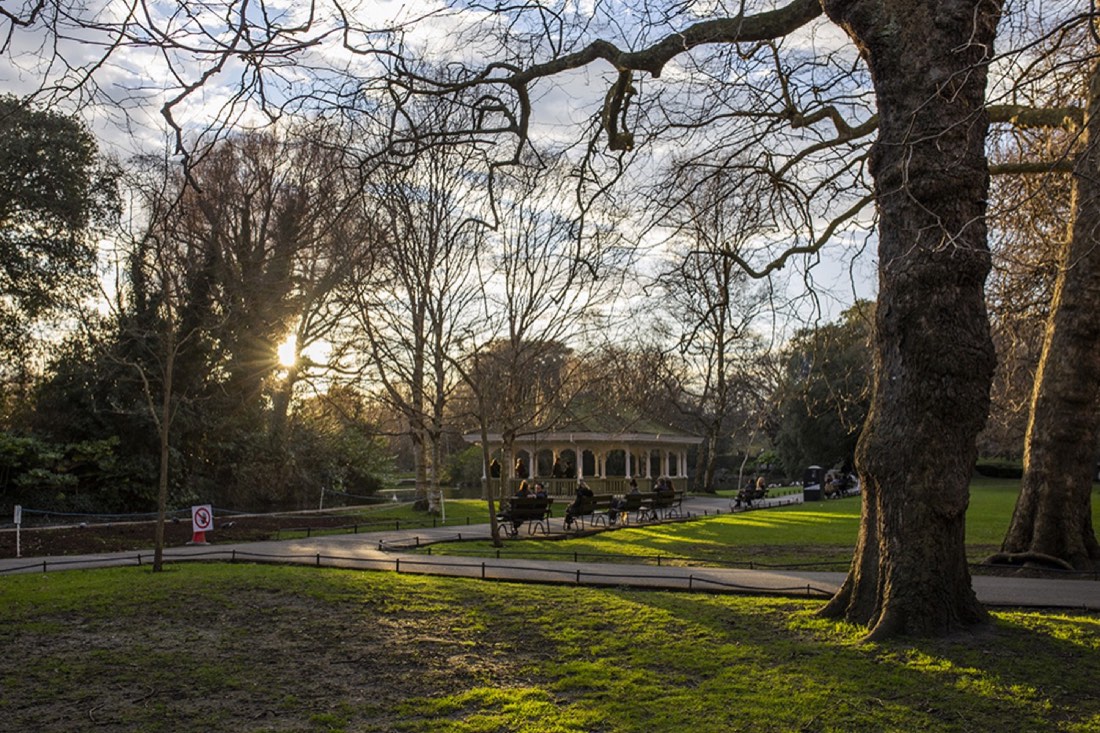
After that, a walk through St Stephen's Green park. Established in 1664, this park is a lovely place to relax among manicured gardens, ponds with swans, and squirrels. This area was once marshland and was even used for public executions in the 17th century, but it's now a peaceful corner in the city center.
19:00 — A walk along the River Liffey
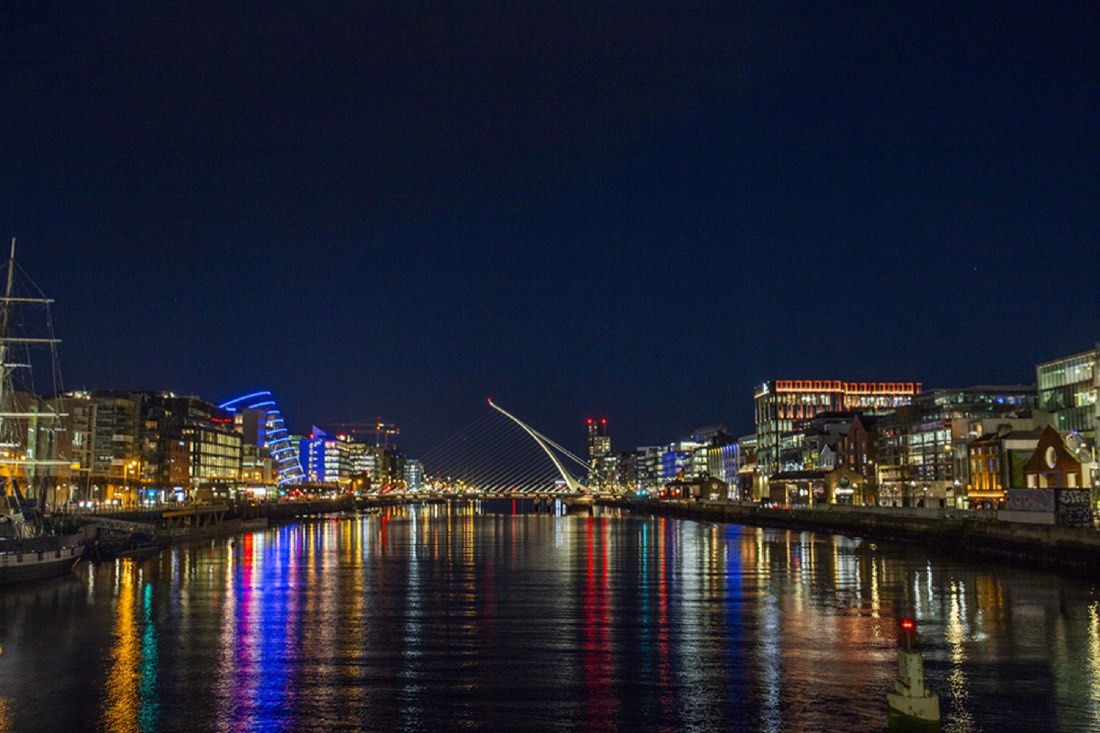
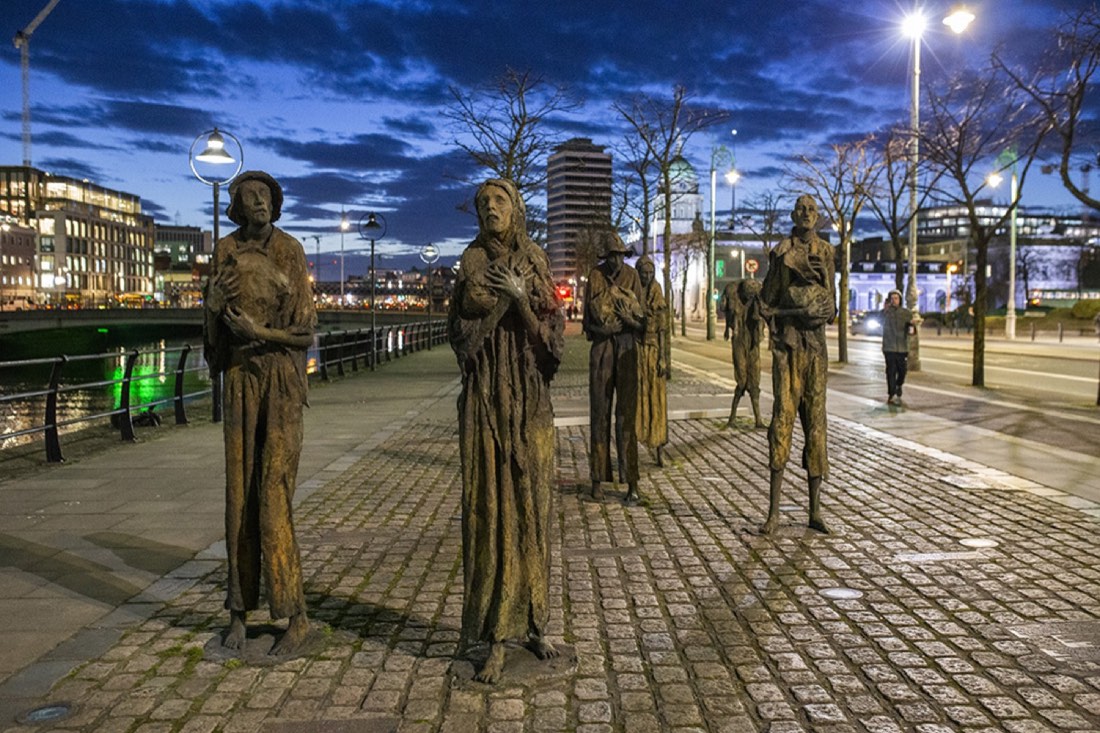
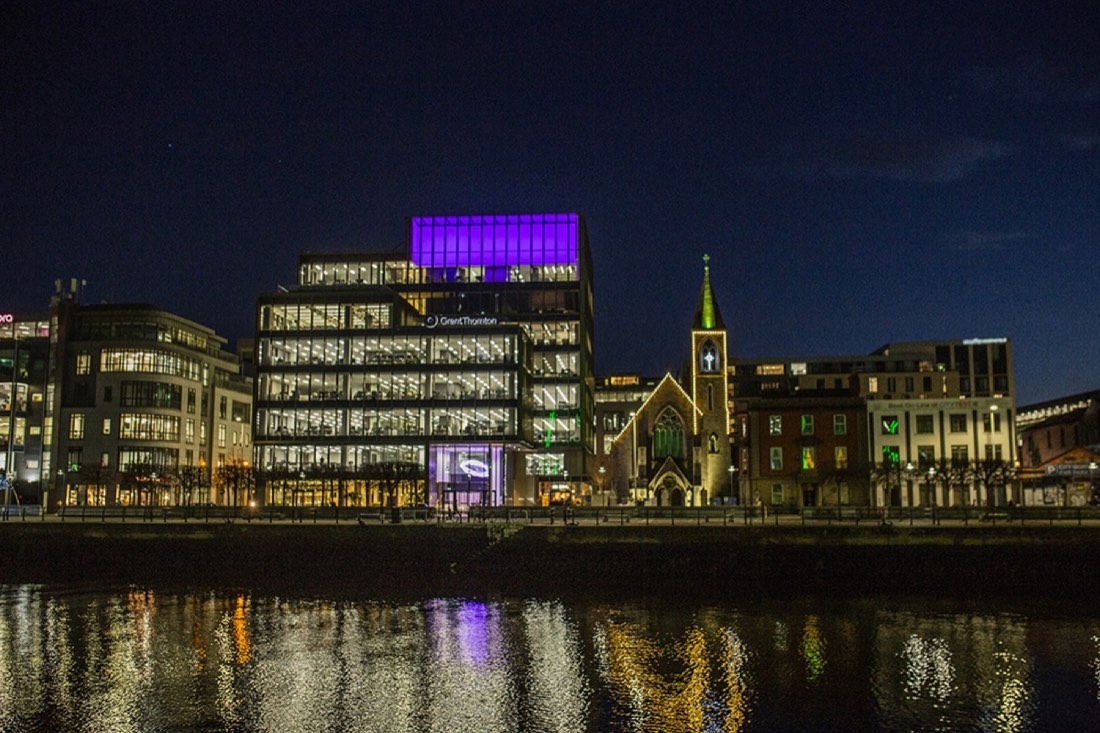
Evening Dublin is enchanting, especially along the River Liffey. Take note of the Famine Memorial and the Samuel Beckett Bridge, designed by architect Santiago Calatrava. The bridge is shaped like a harp — a national symbol of Ireland. Lit up in the evening, this bridge looks especially striking.
21:00 — Live music at one of the traditional pubs
"A good puzzle would be to cross Dublin without passing a pub," James Joyce wrote in Ulysses.
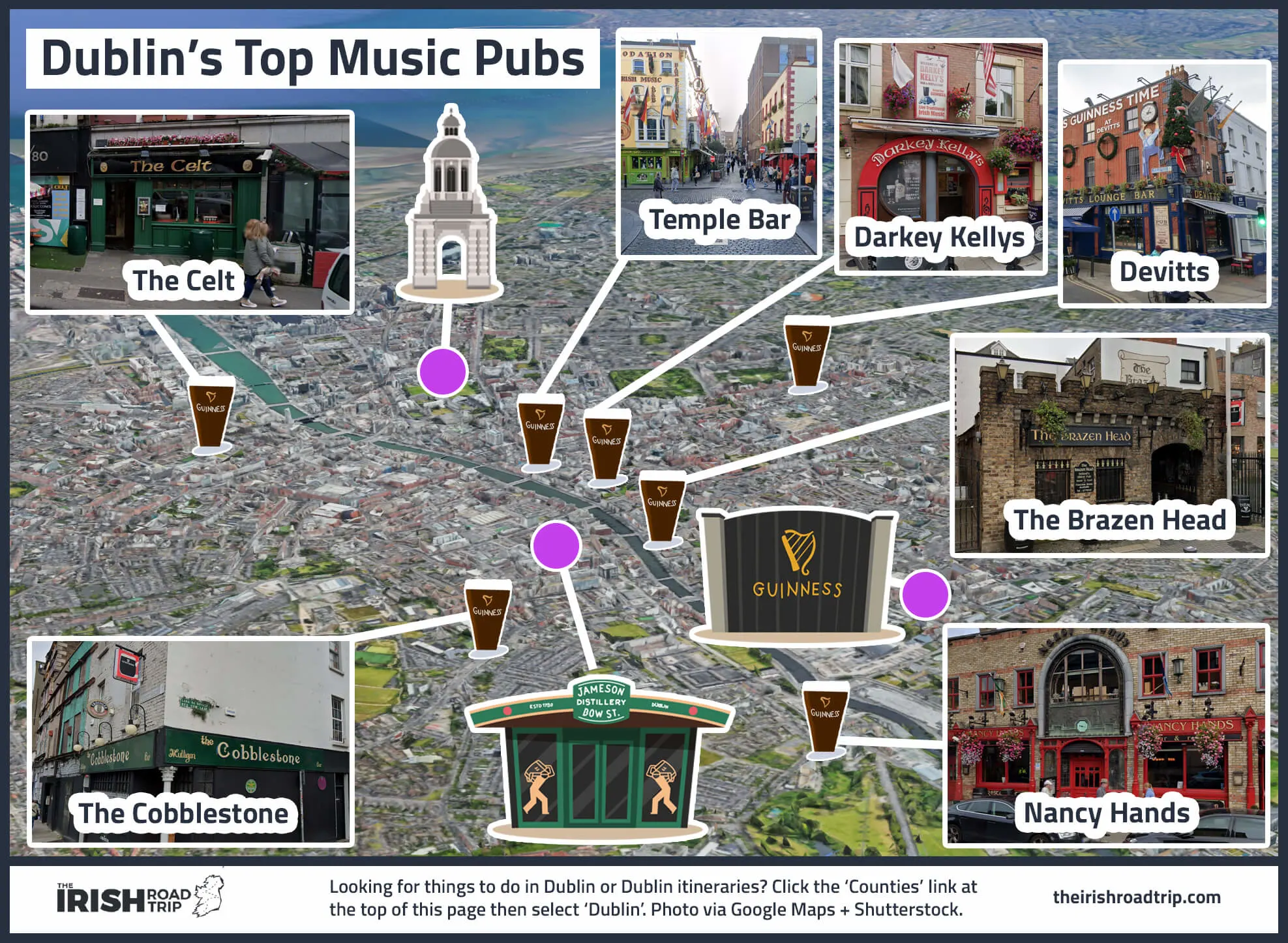
The Cobblestone
One of Dublin's most authentic pubs, located in the Smithfield district. The Cobblestone isn't just a pub — it's a genuine mecca for lovers of traditional Irish music. Live music plays here every night, and musicians often hold informal sessions that anyone with their own instrument and knowledge of the traditional repertoire can join.
Whelan's
This pub is an iconic spot for fans of live music across genres. Founded in 1989, Whelan's quickly became one of the main venues for both local and international performers.
Located on Wexford Street, the pub is known for its intimate concert hall, where you can hear everything from indie rock to folk. It's the place where famous artists like Ed Sheeran and Glen Hansard once performed.
The Old Storehouse (Crown Alley)
Set in the very heart of the Temple Bar cultural quarter, The Old Storehouse is a traditional Irish pub proud of its hospitality, quality food, and drinks. The venue has several bars: a cozy snug bar, a main bar with live music, and O'Flaherty's Bar, which can be rented out for private events. There are also two heated beer gardens. Live Irish music plays daily from 15:00 until close.
Darkey Kellys
This pub, named after a well-known 18th-century Dublin figure, sits near St Patrick's Cathedral. It's known for its live music, performed every evening, and a wide selection of Irish whiskeys. The interior keeps a traditional style, creating a cozy atmosphere for visitors.
Nancy Hands (Parkgate St.)
Located near Phoenix Park, Nancy Hands is a historic pub with an elegant interior, including original Victorian furniture and antique details. The pub offers a varied menu of traditional Irish dishes and a rich selection of drinks. Upstairs there's a library, which adds a special charm to the place.
Temple Bar (various spots)
Set right in the heart of the Temple Bar district, this pub of the same name is one of Dublin's most famous. It's known for its bright red facade and lively atmosphere. The pub offers a wide selection of beers and regularly hosts live music performances, making it popular with both tourists and locals alike.
Day three
Head to the picturesque coastal village of Howth. The easiest way there is the DART train, which leaves from central Dublin (Connolly, Tara Street, or Pearse stations, for example) and gets you to Howth in about 30 minutes. A one-way ticket costs around €2.90.
Read about the day in Howth here.
Ireland