Evgenia B
Girona: What to See in One Day
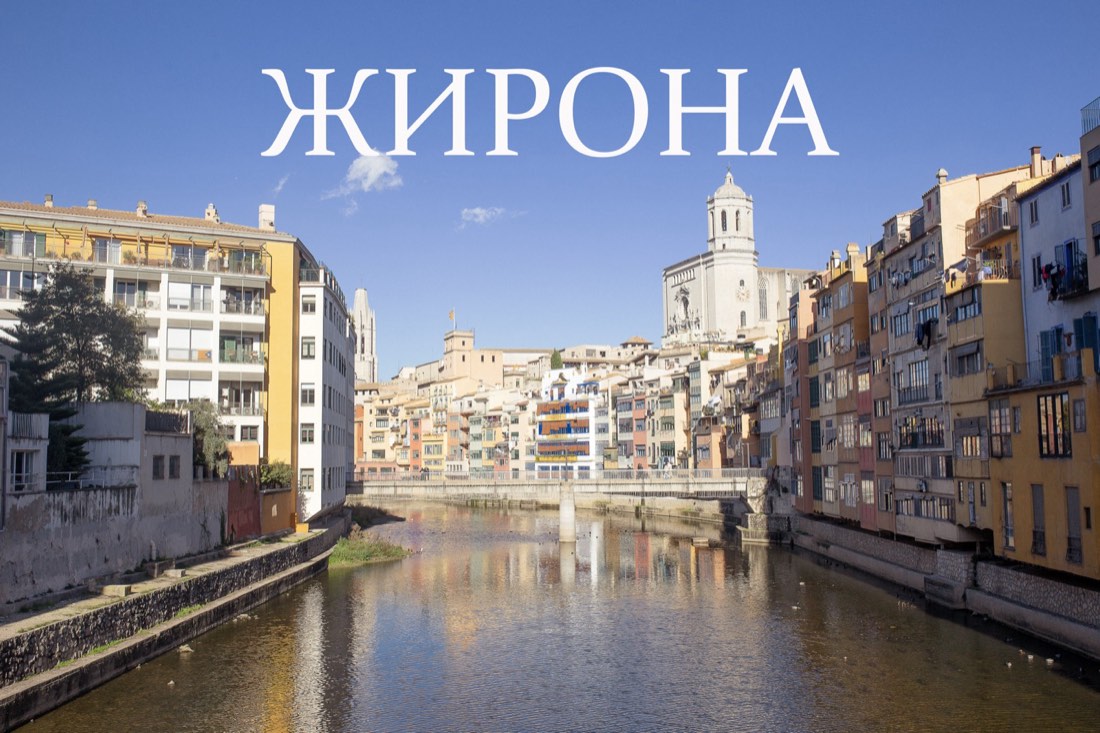
Our journey begins in the heart of Girona's historic center — a charming old town. Its narrow, cobblestone streets hold a wealth of history and a one-of-a-kind atmosphere.
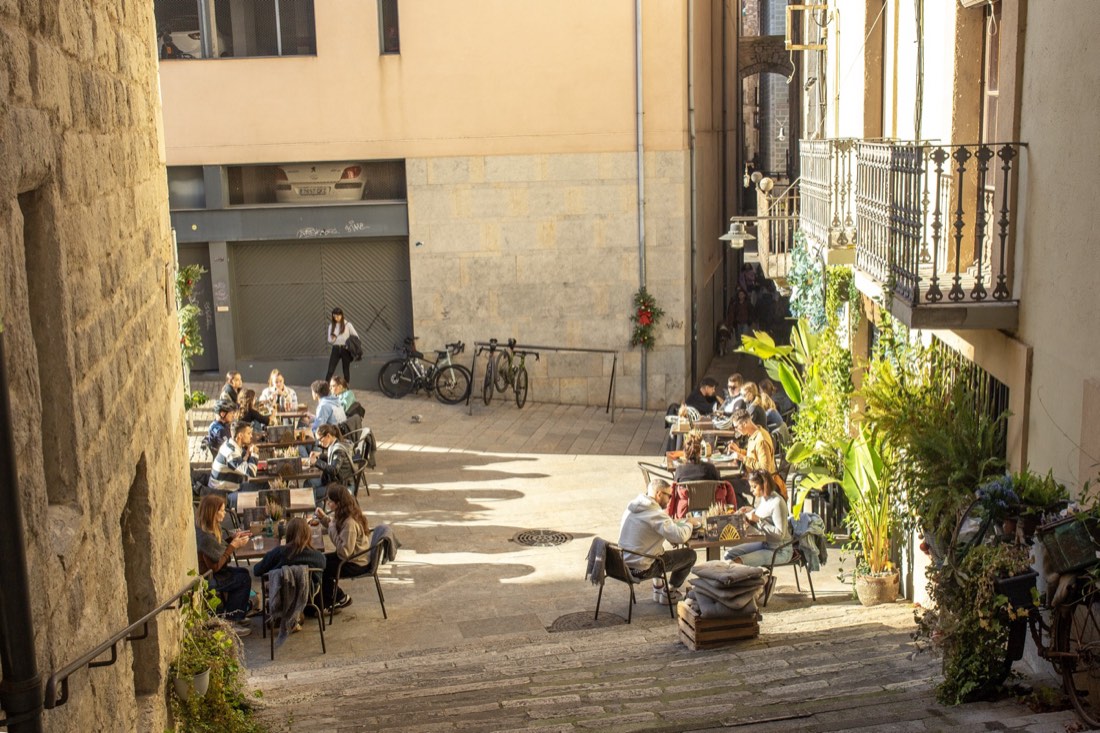
Where to have breakfast and coffee in Girona?
The first thing you notice arriving in Girona is the sheer number of cyclists. Today, hundreds of professional cyclists and triathletes live and train here. The mild climate, varied routes, and well-developed infrastructure make this city a true cycling mecca! Many venues have bike parking, and their walls are decorated with cycling memorabilia.
So it's no surprise that one of the city's most popular cafés, La Fabrica Girona, is run by Christian Meier — a former professional cyclist and coffee lover. It has a lovely terrace where you can soak up the sun, and the menu is full of healthy, fresh dishes.
Overall, the city has no shortage of places for good coffee and a bite to eat.
Espresso Mafia - you can peek into the coffee-roasting room.
Federal Café - the menu includes brunch, sandwiches, tapas, and even cocktails.
La Comuna Café - offers healthy dishes — burritos, muesli, and smoothies.
Selva Life Coffee&Brunch - run by an owner from Ecuador who promotes healthy eating. Expect coffee, gluten-free breakfasts, and vegetarian and vegan dishes.
What to see and where to walk in Girona?
If your English is solid, you can book a free walking tour of Girona. The tour runs for 2 hours, during which you'll learn about all the key sights and interesting historical facts.
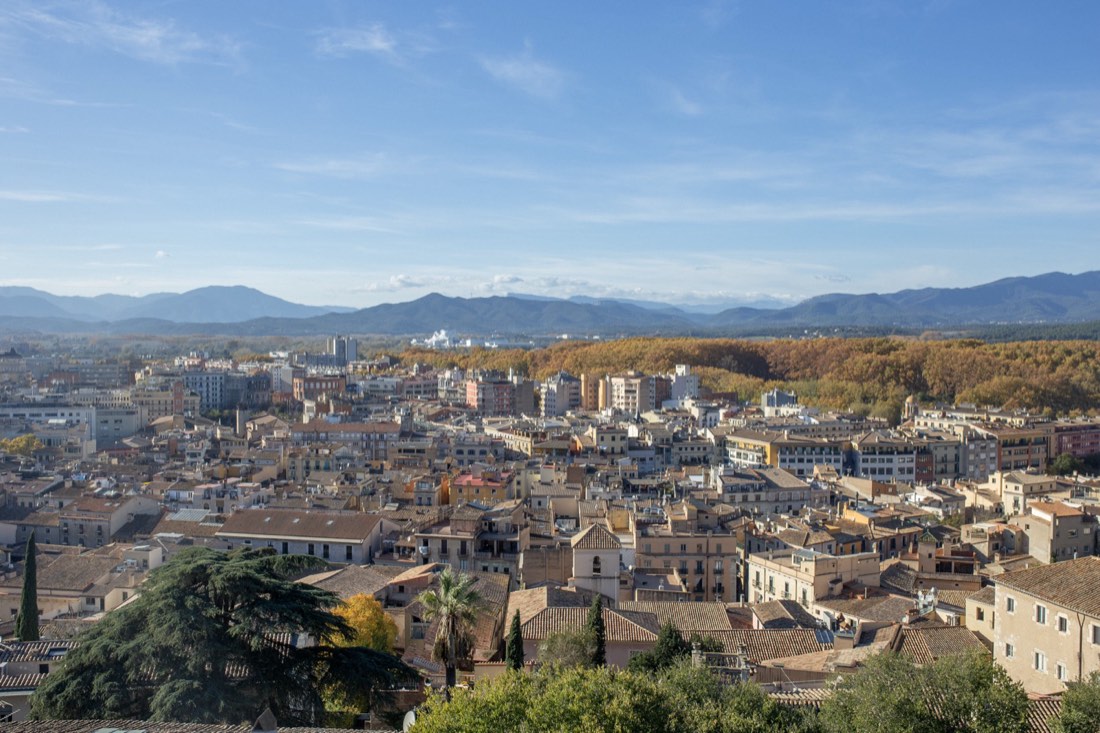
If you're exploring the city on your own, we'd recommend starting your walk in the morning and visiting the old city wall (Passeig de la Muralla), which dates back to the 9th century. It offers lovely views over Girona and the Onyar river. There are few people around in the morning, so you can take photos, take in the city at your own pace, and stroll unhurried toward the Cathedral of Girona (Catedral de Girona), made famous by Game of Thrones.
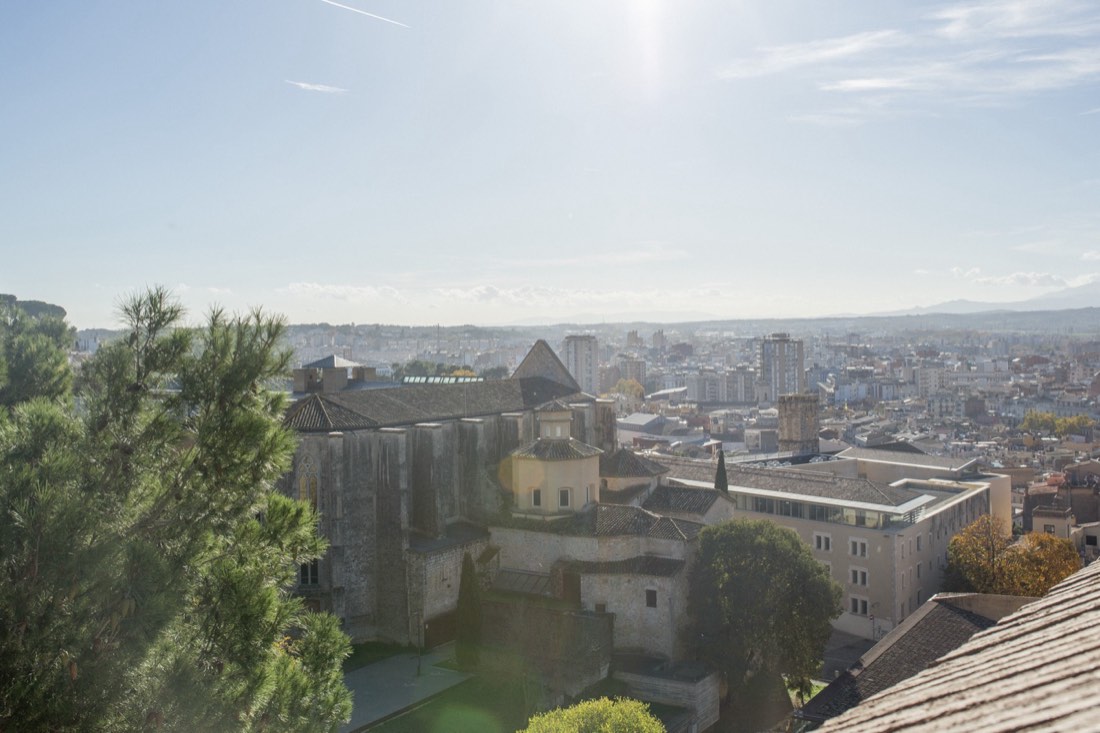
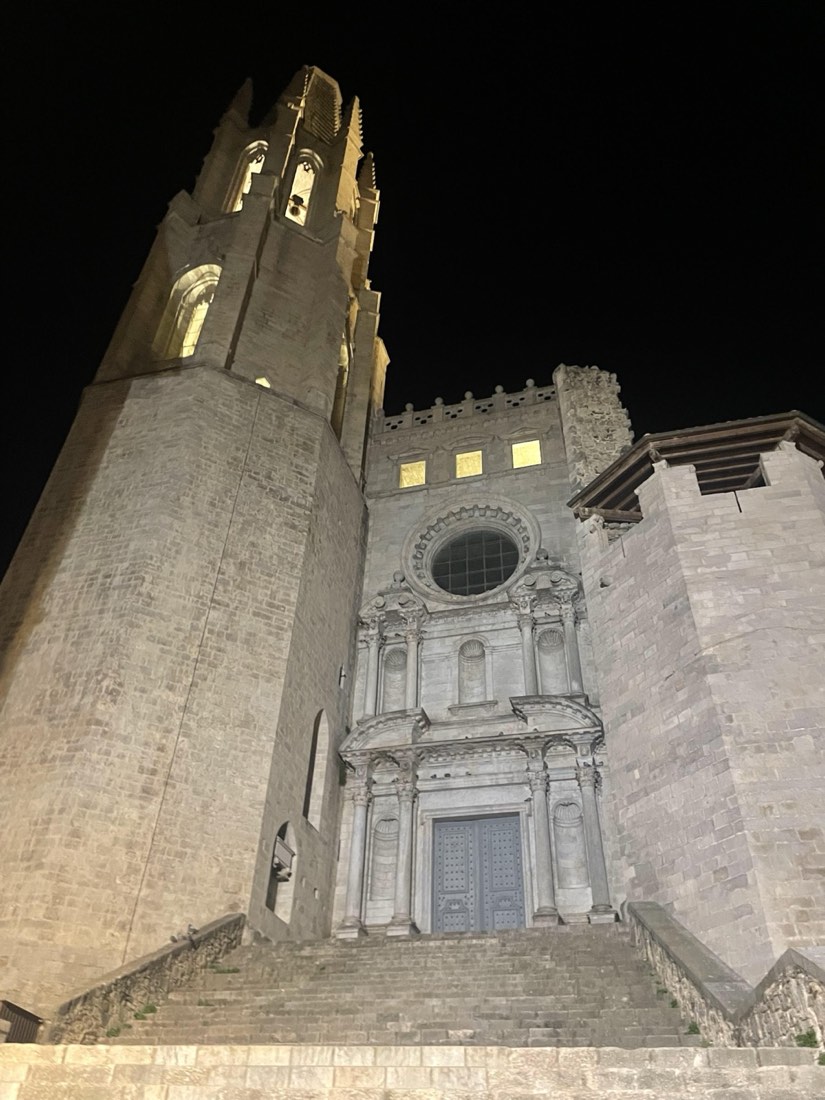
Construction of the cathedral began as early as the 11th century, and its architecture blends several styles, from Romanesque to Baroque. Note that it has the widest Gothic nave in the world (22 meters wide), second only to St Peter's Basilica in the Vatican. A famous Baroque staircase of 90 steps leads up to the cathedral. Tourists love taking photos here, so there's usually a crowd around the entrance.
Entry inside costs €8 per person.
💡 Interestingly, some parts of the church feature mosaics or sculptures depicting the "flies of Girona." According to legend, in 1286 and 1653, during sieges by the French, the city was defended by flies that emerged from the body of Saint Narcissus and attacked the enemy's horses, causing panic among the invaders.
From the cathedral, head to the narrow streets of the Jewish Quarter, El Call.
Between 982 and 1492, the Jewish community thrived in this region, leaving behind a unique architectural legacy. Girona's Jewish quarter is considered the best-preserved in all of Europe. Jews were expelled from the city, as from all of Spain, under a decree known as the "Edict of Expulsion" — those who refused to convert to Christianity had to leave Spain. The narrow, cobbled streets have preserved a medieval atmosphere, barely changed in over 500 years. It's a pleasant place for a daytime walk, and on hot days you can find shelter from the sun here. You'll also find the Museum of Jewish History here, where you can learn more about Girona's Jewish community.
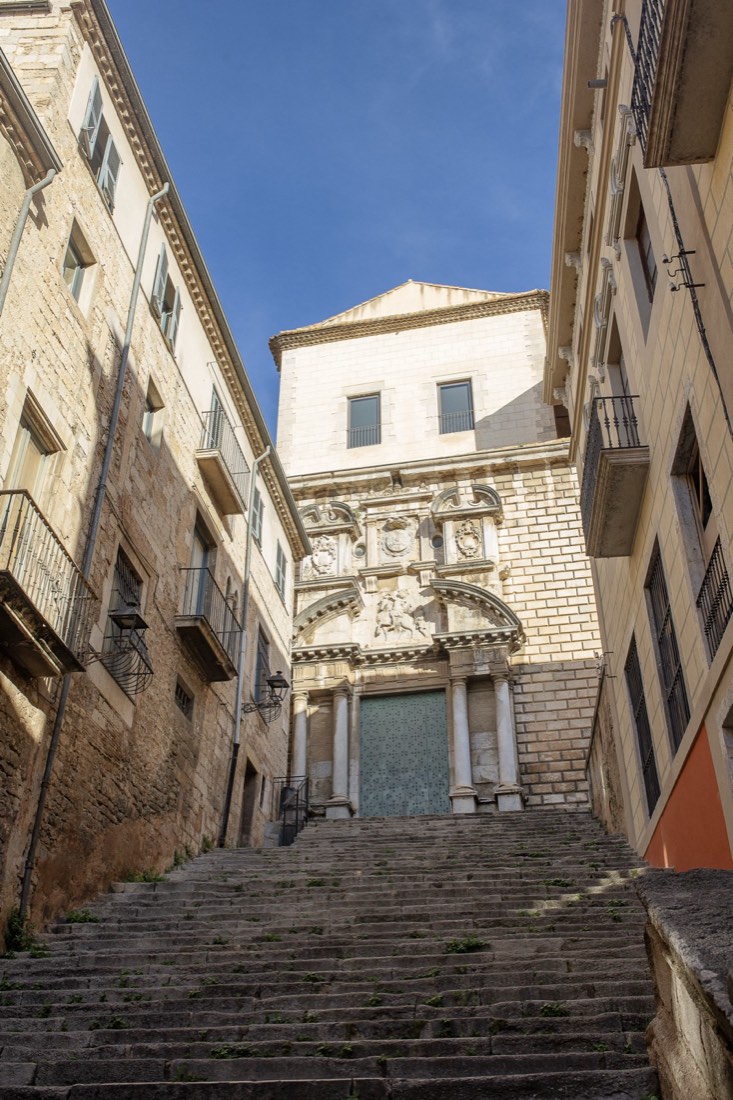
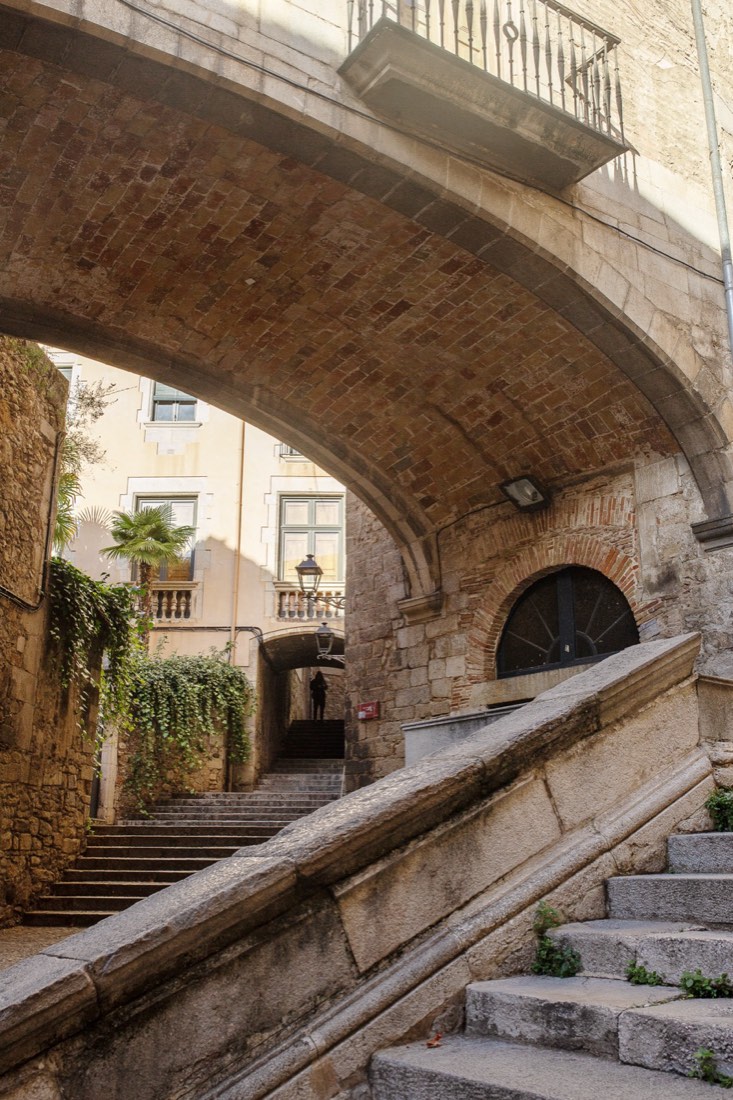
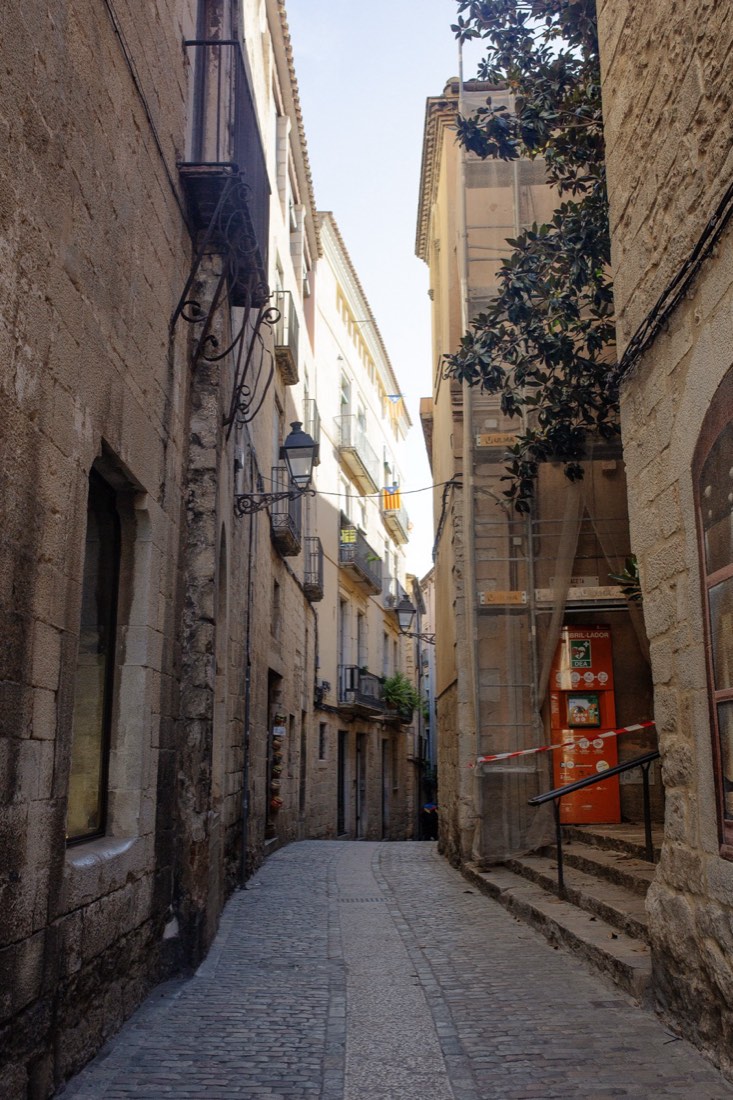
Be sure to check out one of the city's most beautiful streets — Pujada de Sant Domènec. This cinematic corner was used to film "Perfume: The Story of a Murderer" and the Game of Thrones series. It's also worth visiting the nearby Arab Baths (Banys Àrabs), a small but fascinating spot with unique 12th-century architecture.
💡 Find the "Lioness of Girona" sculpture (La Lleona de Girona) on Carrer Calderers. It depicts a lioness climbing a column and symbolizes the city's protection. According to legend, if you kiss the statue, you're guaranteed to return to Girona — or never want to leave.
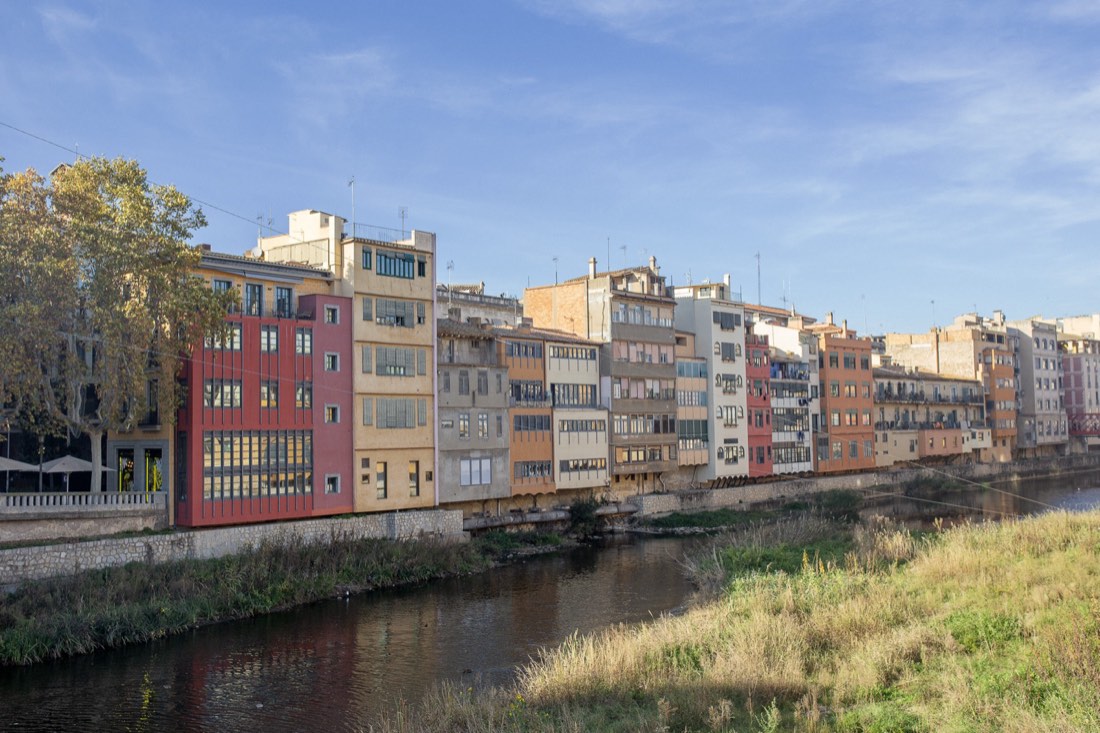
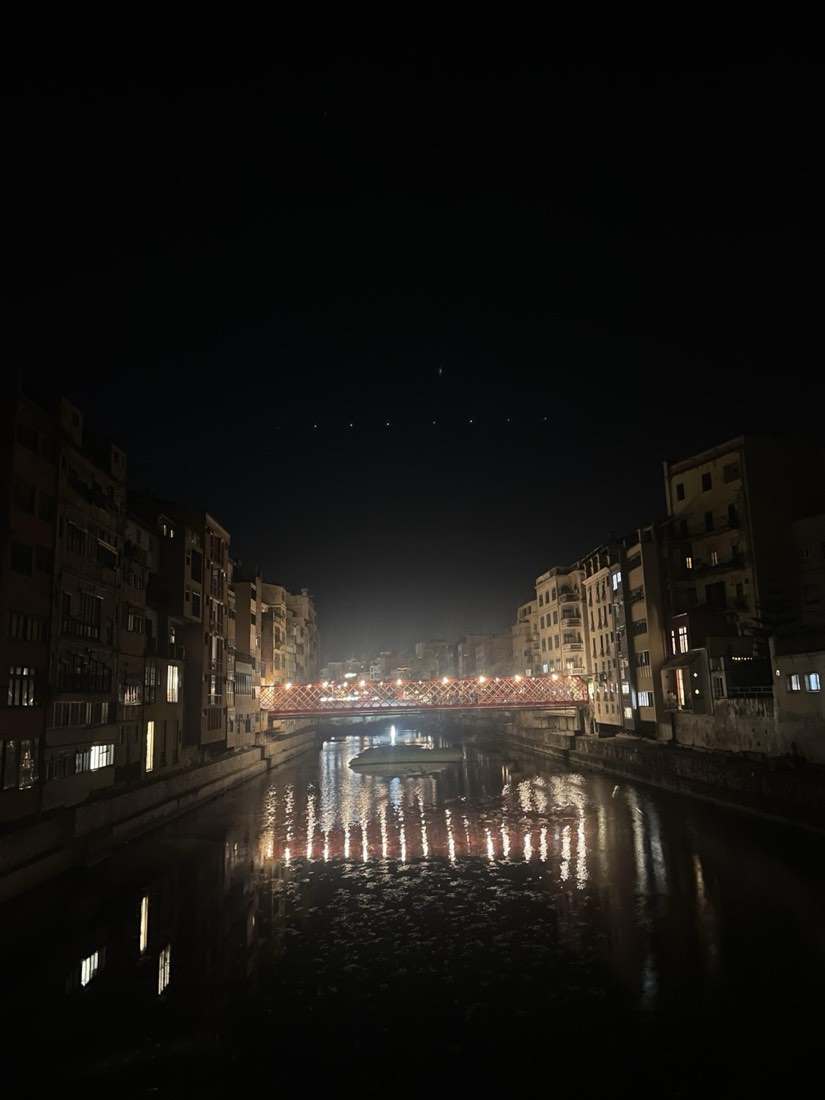
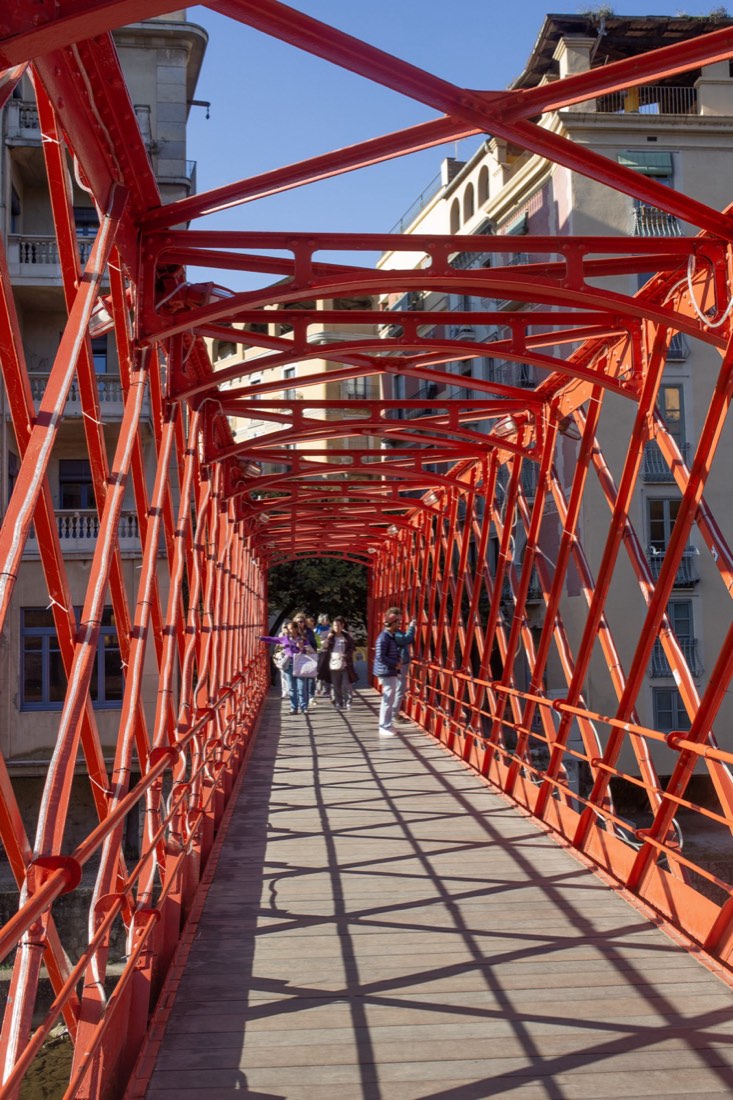
Another wonderful spot for a walk, one that's inspired artists for centuries, is the row of colorful houses along the Onyar river. Here you'll find the famous Gustave Eiffel bridge — the Pont de les Peixateries Velles — the most famous in the city. Check out the other bridges too, which offer lovely views, including the Pont d'en Gómez and the Pont de la Princesa.
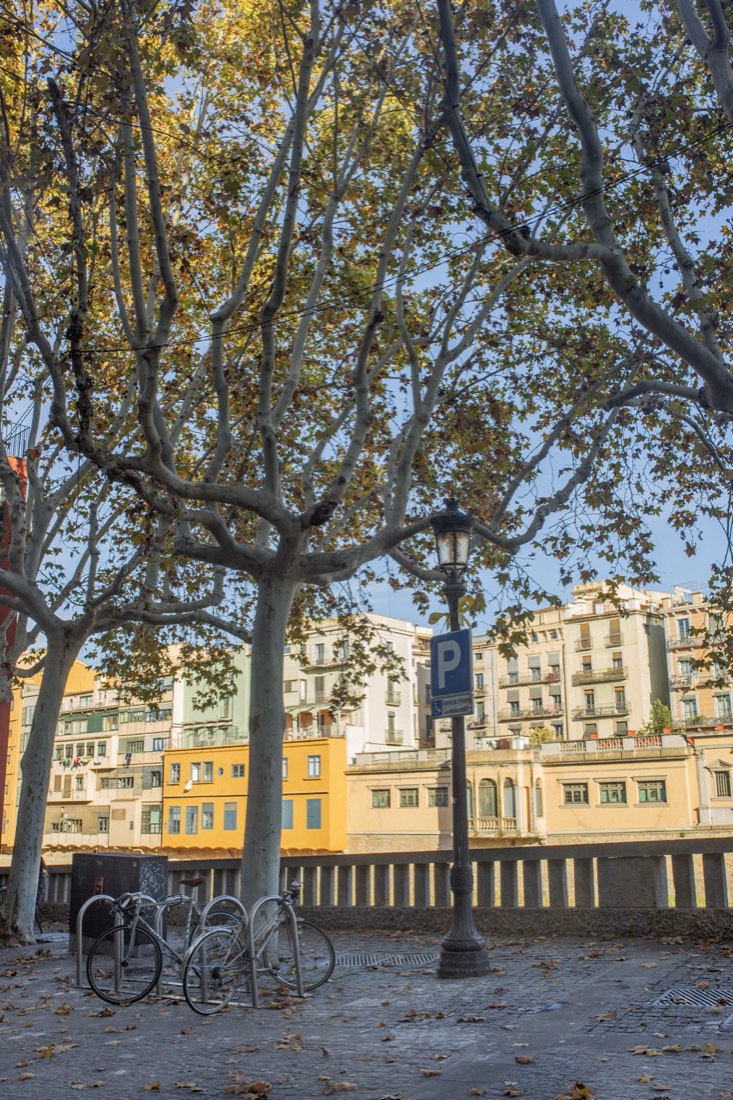
If you have time left, take a walk through the arboretum at Parc de la Devesa, where you can see astonishing, towering trees — plane trees — under which locals stroll.
What to do in Girona in the evening?
Just like during the day, you can join a free tour of nighttime Girona. You can also take in one of Girona's most famous and beautiful squares — Plaça de la Independència. It's a fairly touristy spot, so if you feel like a drink, we'd recommend checking out nearby bars: La Malabarista Vermuteria or La Tòria. You can enjoy local vermouth and craft beer.
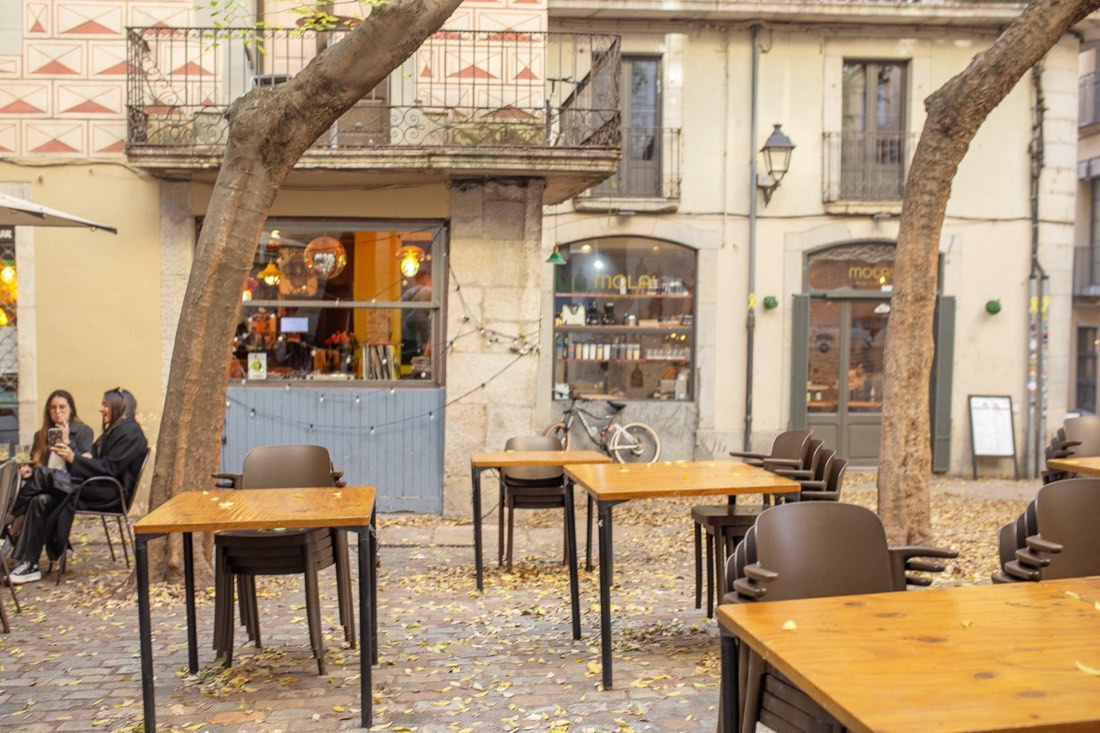
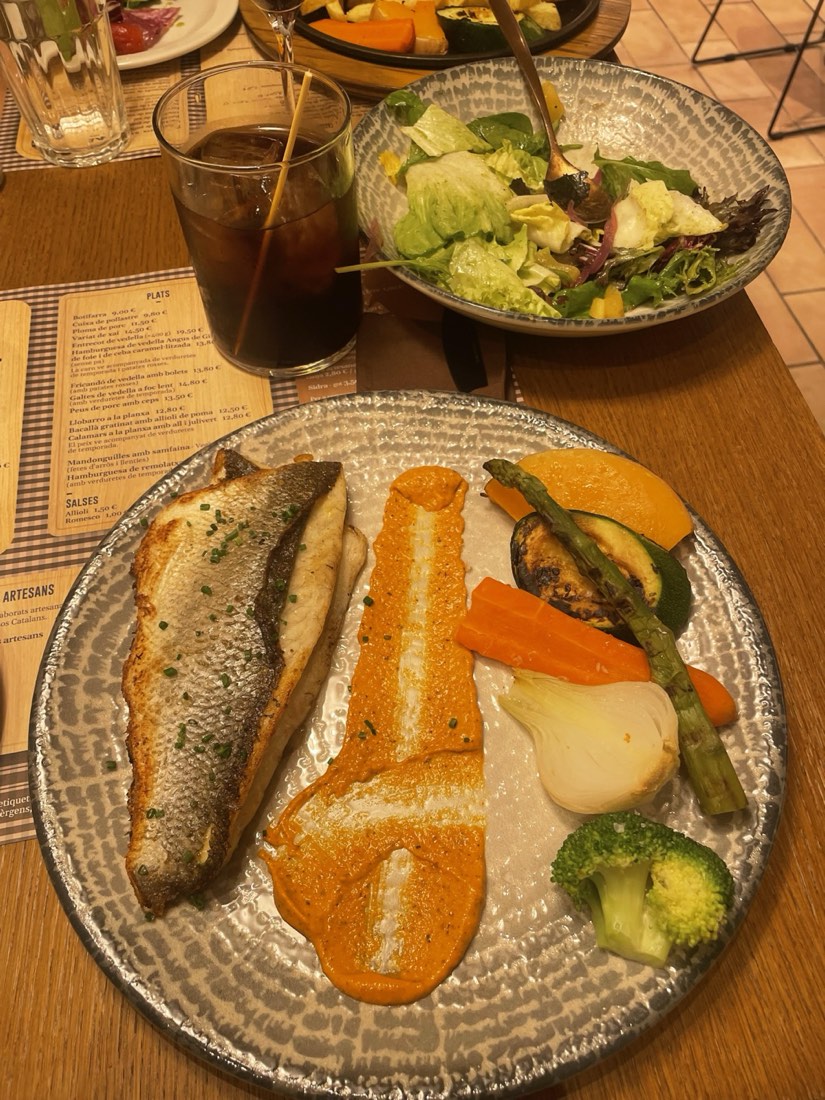
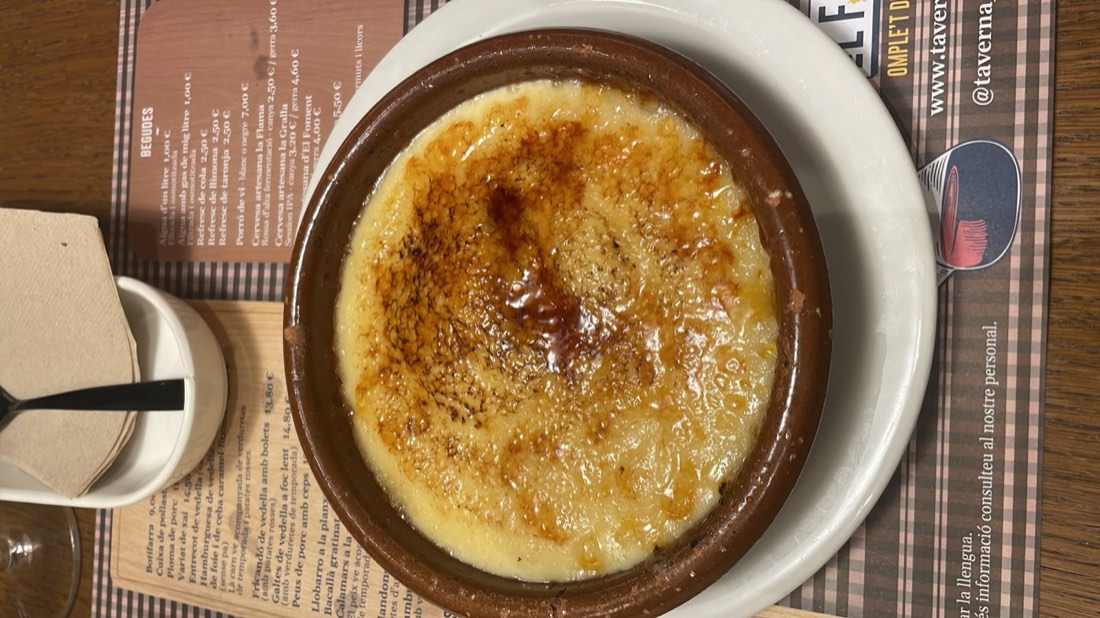
If you want to try Catalan food, we'd recommend Taverna d'EL Forment. Affordable, tasty, and you can try craft beer on tap.
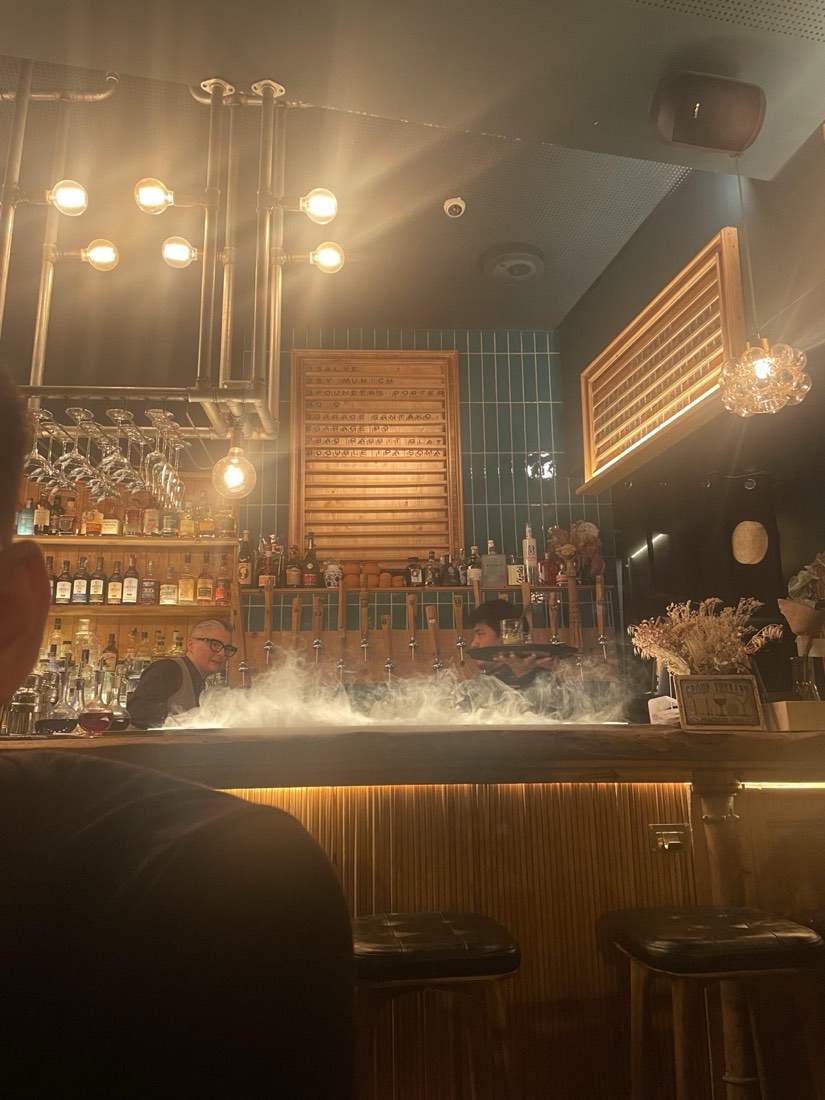
If you're into cocktail culture, we'd recommend visiting bar Nykteri's.
You can try classic cocktails and a range of signature creations that change with the seasons. The bar also stocks 50 different types of gin.
Sunset Jazz Club — come here to hear free jazz, dixieland, and ragtime. Both local and international performers take the stage. You can check the schedule on their website; entry is mostly paid. They have a cocktail menu (both classics and house creations), plus a selection of Irish and Scotch whiskey, gin, and vodka.
For fans of classical music or the latest Catalan hits, Auditori de Girona is the place for you. It runs two seasons, plus a series of concerts throughout July — the "Nights of Classical Music" (els Nits de Clàssica).
A couple more dinner ideas:
Le Bistrot sits on the Sant Martí steps, so dining there — lunch or dinner — is genuinely magical.
Casa Marieta has been one of the most traditional restaurants since it was founded in 1892.
Sinofos - a restaurant with a modern, urban, industrial vibe. The name comes from "si no fós" — a type of public bench where those who once had no work would sit and gather. Tasting-menu options available.
Can Roca - a traditional family restaurant with a rich history.
Which museums to visit?
The Girona Art Museum
Housed in the episcopal palace next to the cathedral, this museum showcases treasures of Catalan art from the Romanesque period to the present day. Its collection includes paintings, sculptures, and decorative arts. A must-visit for culture lovers.
The Museum of the History of Girona
Opened in 1981, the museum walks visitors through the city's rich history — from the Roman era through the Napoleonic Wars and the Spanish Civil War. The exhibits highlight Girona's diverse heritage, shaped by numerous cultures and events.
The Cinema Museum
Housed in a historic 18th-century building, this museum traces the history of cinema, from magic lanterns and shadow plays to the earliest cameras and projectors. A collection of over 12,000 items will delight film and history lovers alike.
CaixaForum Girona
A center for exhibitions, cultural events, and educational programs.
Spain