Evgenia B
What to Do in Collioure
"There is no sky in France bluer than in Collioure… I only have to close the shutters of my room, and all the colors of the Mediterranean come alive in my home." — Henri Matisse
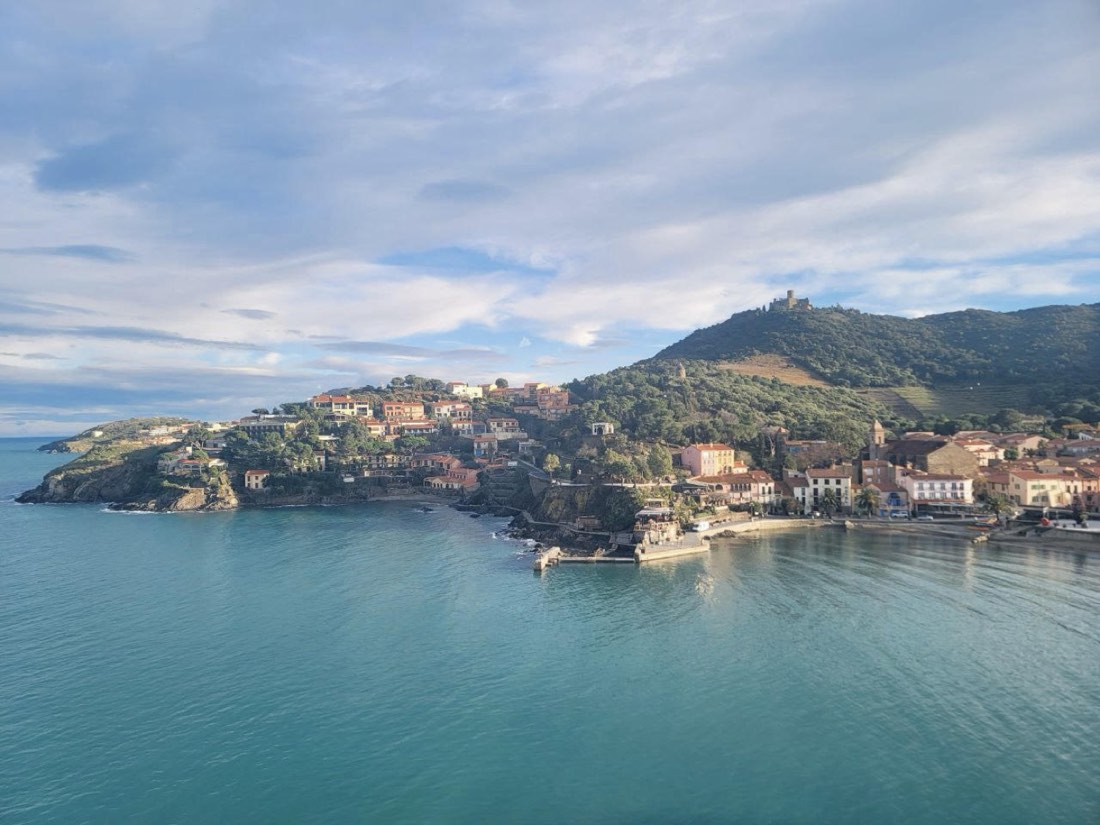
A charming, romantic old fishing village, a 30-minute drive from Perpignan in southern France (25 minutes by train), and less than an hour from the Spanish border. Colorful houses, cozy beaches, a castle overlooking the town, and hills with stunning panoramic views.
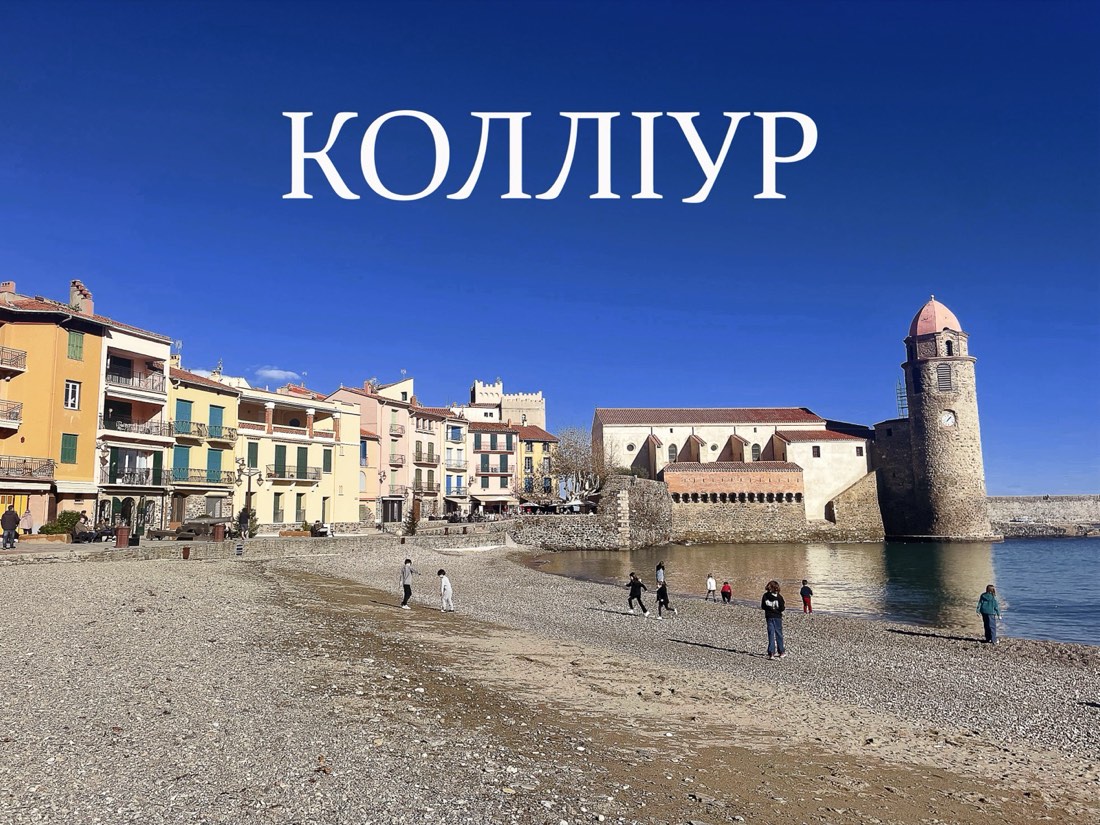
Collioure is famous for art and anchovies. Many well-known 20th-century artists sought inspiration here — Pablo Picasso, Henri Matisse, Dalí, Derain, Dufy, Chagall. It's said that the art movement known as Fauvism was born right here in Collioure, thanks to the unique, striking light you can only find in this place.
What to do in Collioure?
Visit the Royal Castle of Collioure (Château Royal de Collioure).
This grand castle, towering over the Mediterranean, was built in the early Middle Ages to defend the town of Collioure. The castle has witnessed centuries of history — from the lives of feudal lords and Catalan kings to the era of Franco-Spanish conflicts. In the 20th century the fortress was used as a prison. Today, thanks to the efforts of local authorities, the castle is in excellent condition and serves as a hub of the region's cultural life, hosting tours, concerts, and various cultural events throughout the year. From the castle ramparts you get a fantastic view of the Collioure coastline, with its charming harbor, colorful buildings, and blue sea — one of the best viewpoints in town. If you're traveling with kids, we'd recommend checking out the fascinating "EXPLORA the Invisible Castle" room.
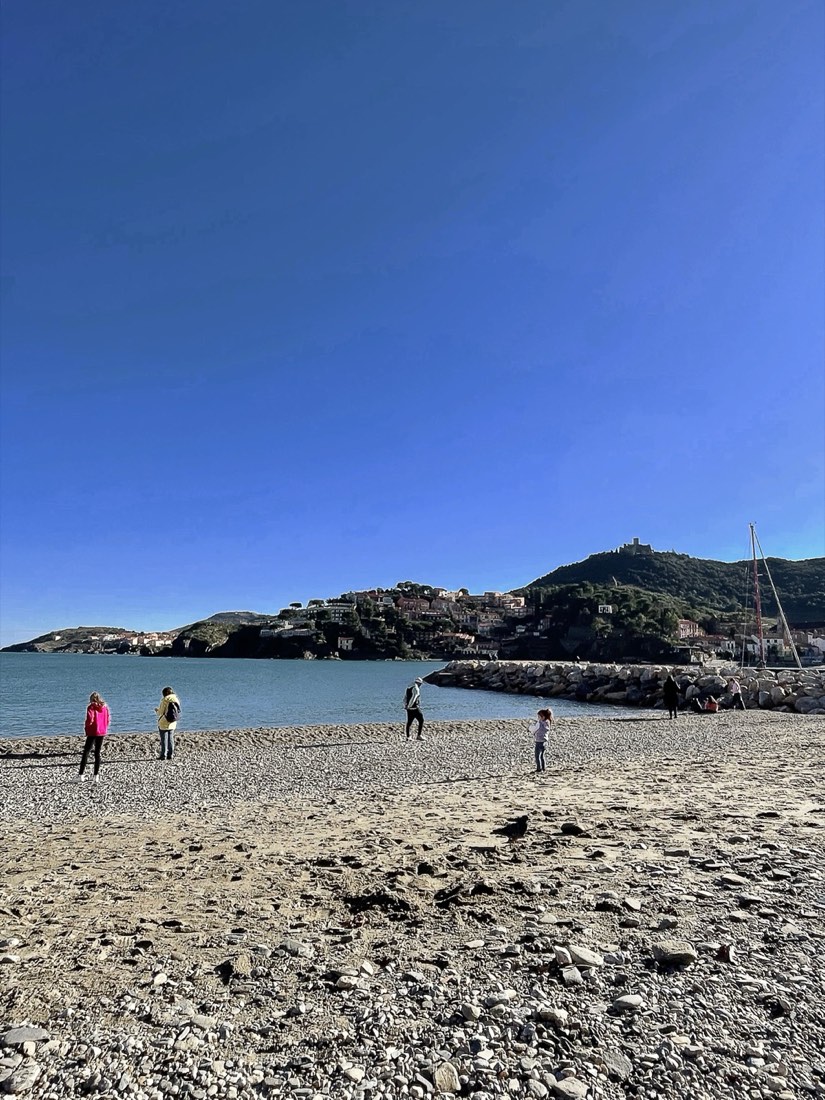
Take a walk to the Chapelle Saint Vincent, perched on a rocky outcrop overlooking the Mediterranean. This tiny chapel was built in the early 18th century and dedicated to Saint Vincent, who according to legend was martyred here. It also offers a wonderful view over Collioure and the Mediterranean. The best time to visit is sunset.
In August, Collioure honors Saint Vincent with a procession during the Festival of Saint Vincent.
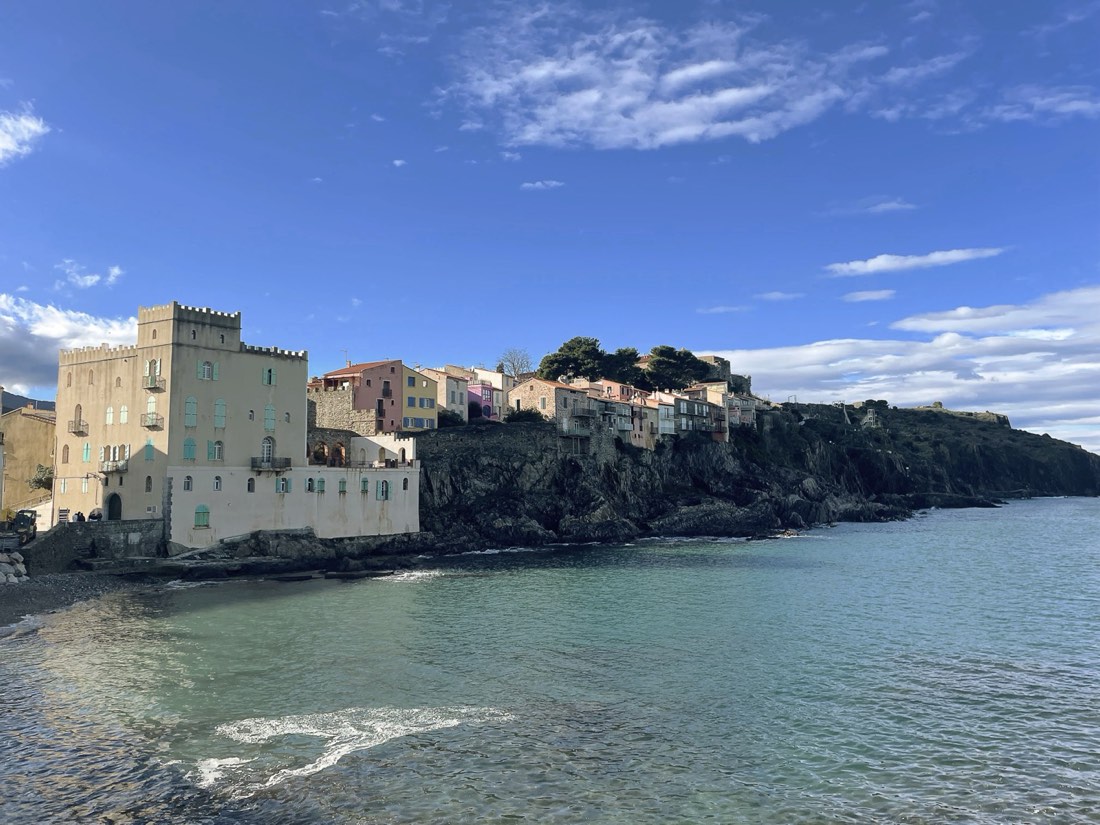
Look out for the Catalan boats. These distinctive, colorful vessels became an integral part of the town's fishing industry and cultural identity. Today only a handful remain, but back in the early 20th century, over a hundred boats lined the shore. Come to the port early in the morning to watch fishermen unload anchovies and sardines. According to legend, the town of Collioure is so colorful because fishermen used leftover boat paint on the window frames of their houses.
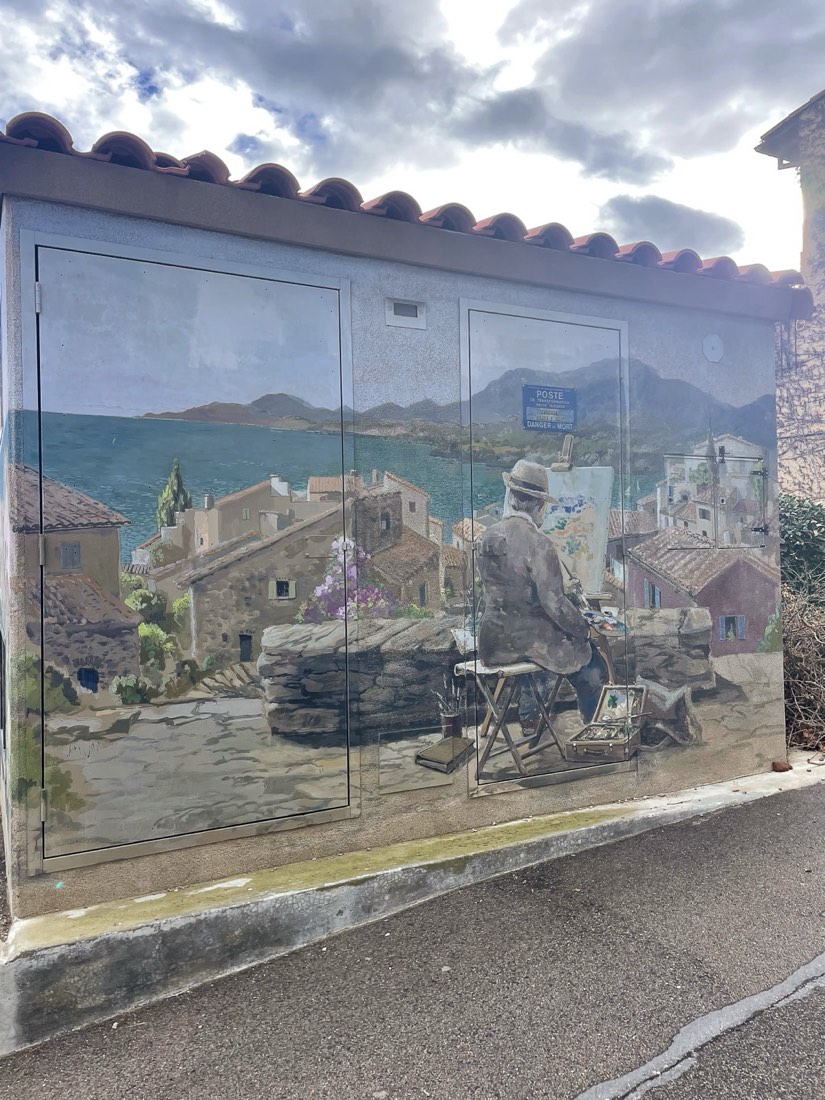
Discover the trail of Fauvism. Collioure is considered the birthplace of Fauvism — a bold, wild art movement created by a handful of young painters, notably Henri Matisse and André Derain.
💡 Matisse was going through depression and a creative crisis when his friend Paul Signac invited him to visit Collioure. The town's scenery captivated him so much that his creativity gradually began to revive! Still, the artist felt lonely, so he wrote to his friends inviting them to join him. The only one who responded was André Derain, who came to support Matisse, and the two worked together creating masterpieces that came to symbolize Fauvism. Over 100 works were created during the summer of 1905 by Henri Matisse and André Derain.
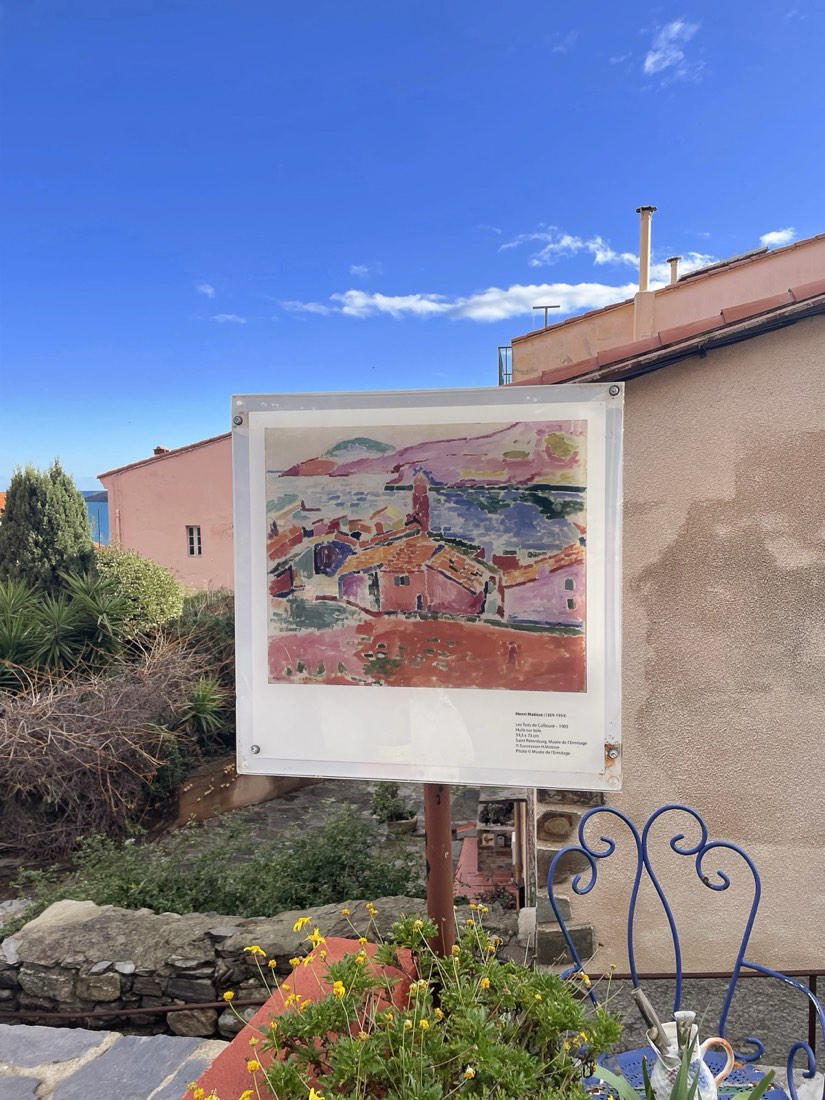
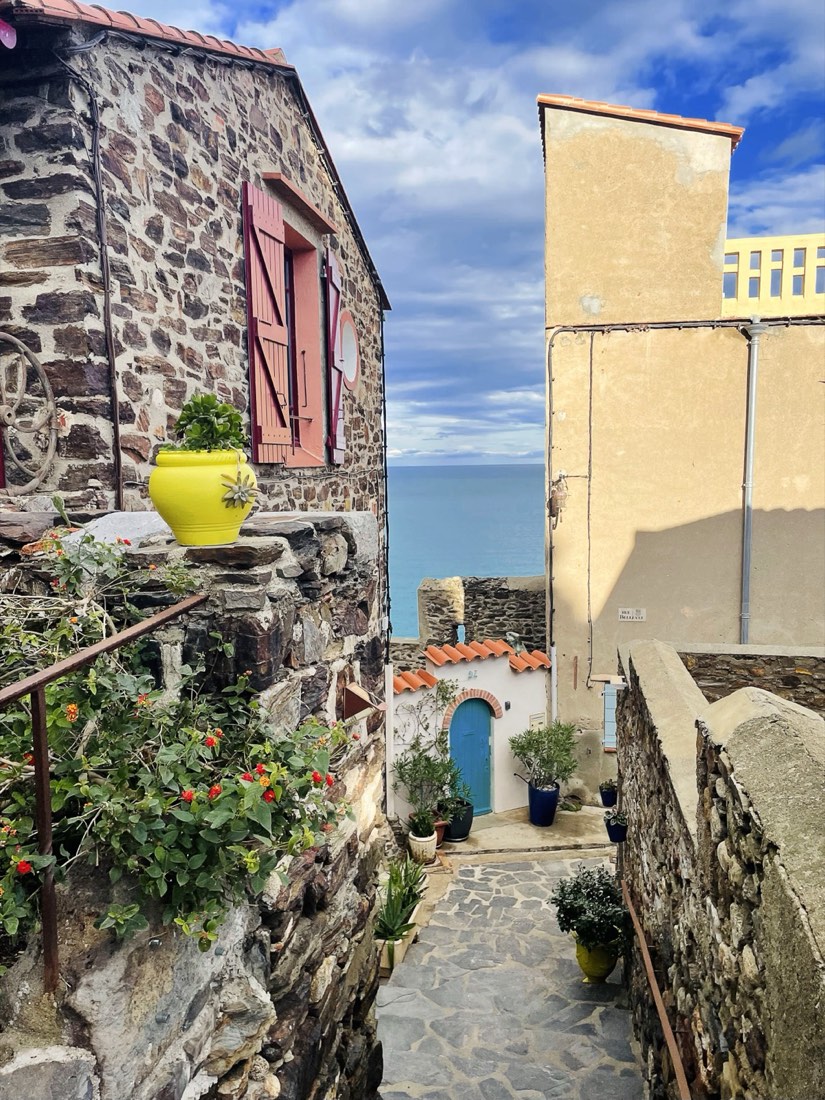
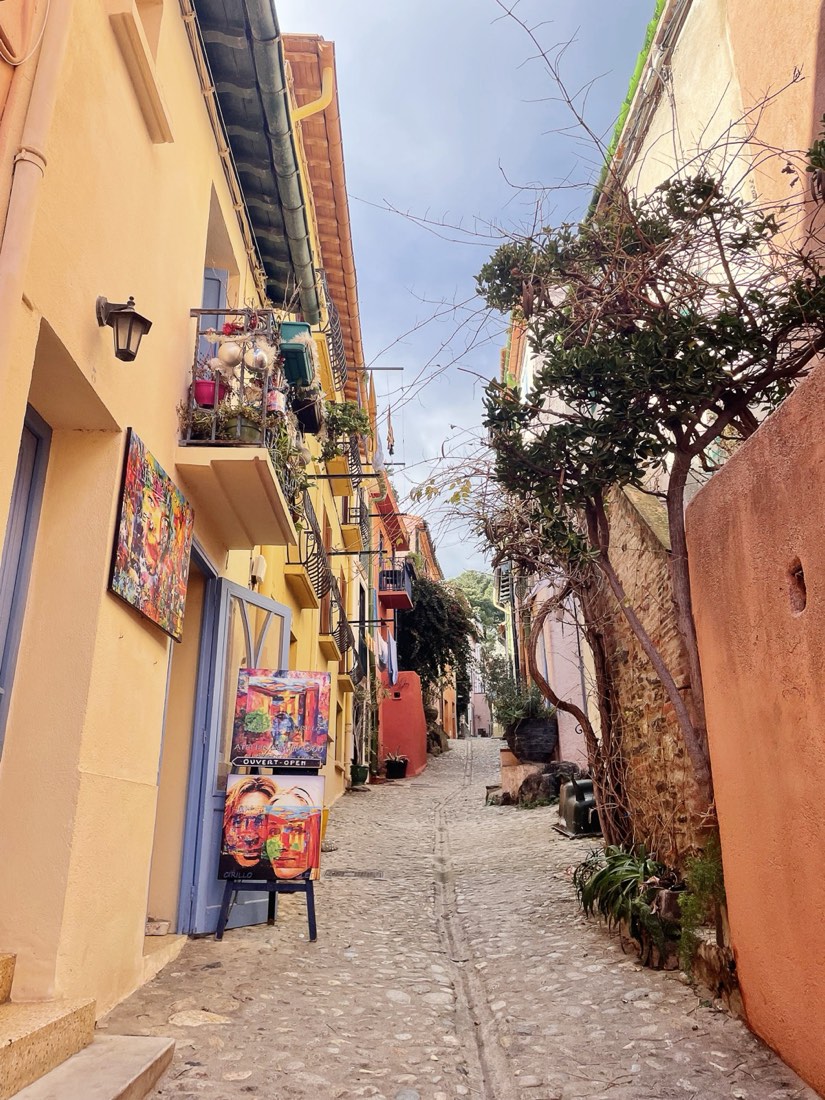
We suggest following a route where you'll find easels with reproductions of paintings, placed exactly where the artists created their masterpieces.
Start at Boulevard Boramar
Walk along the Royal Castle and cross the pedestrian bridge to the Tour de la Douane. Along the way you'll see reproductions of works by famous artists, including Matisse. His painting "Open Window," created in the summer of 1905, will let you picture life in Collioure at the start of the 20th century, when the town was a center of fishing and winemaking. You'll feel how the light and colors of this place captivated artists.
Walk along Boulevard Boramar to the Église Notre-Dame-des-Anges
From the church, climb the stairs to Rue Bellevue — a cozy, flower-lined street. Through special openings in the rampart walls you can spot the Saint-Vincent chapel and enjoy the sea view.
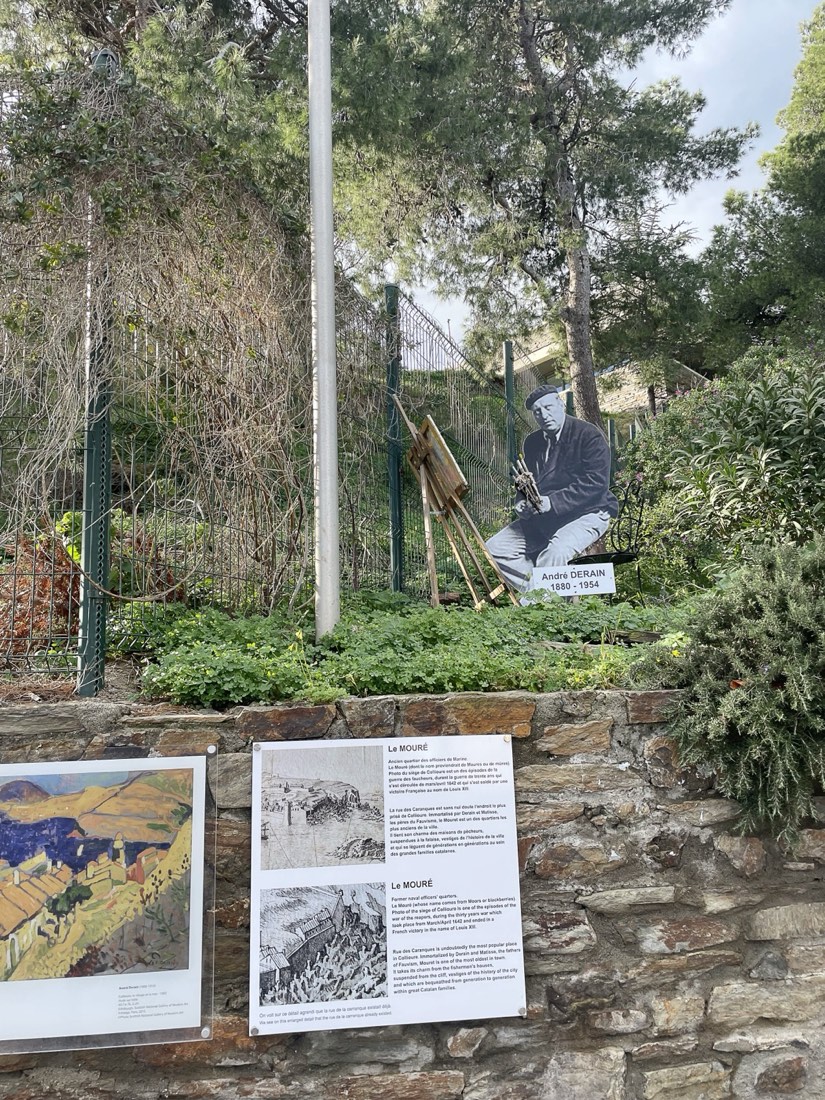
At the top of Rue Mirador, take note of the picturesque Rue Caranques, immortalized by André Derain in his work. A little further to the right, you'll find the spot where Matisse painted "The Roofs of Collioure."
Finish your walk on Avenue Aristide Maillol
Head toward the station, where the final reproduction on the route awaits — "Madame Matisse in a Kimono."
Wander the streets of the old town, the Quartier du Moure
In 1671, the military architect Vauban ordered the destruction of medieval Collioure. Around 130 houses were torn down. The Moure district then expanded. This district was home to two very different groups: fishing families and soldiers.
There were plenty of the latter, since Collioure became a stronghold and garrison town toward the end of the 16th century. The soldiers' barracks stood on Rue Bellevue, while officers' homes were higher up, on the famous Rue Caranques.
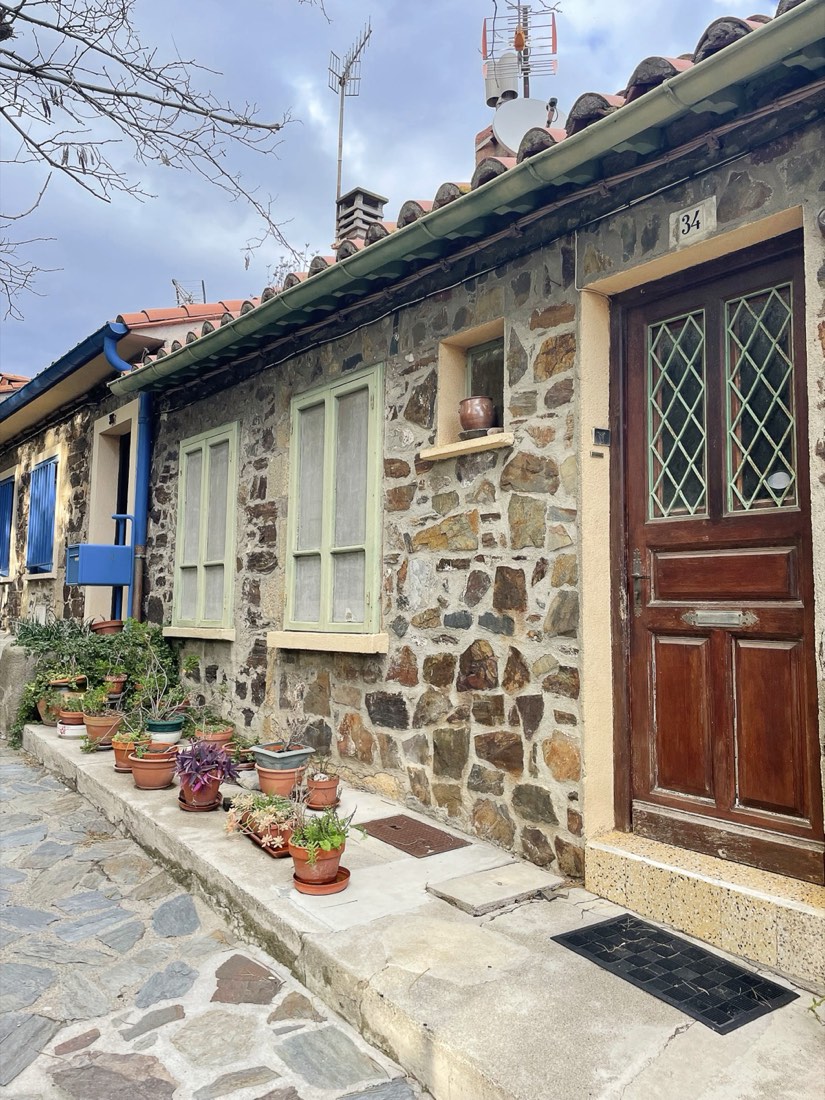
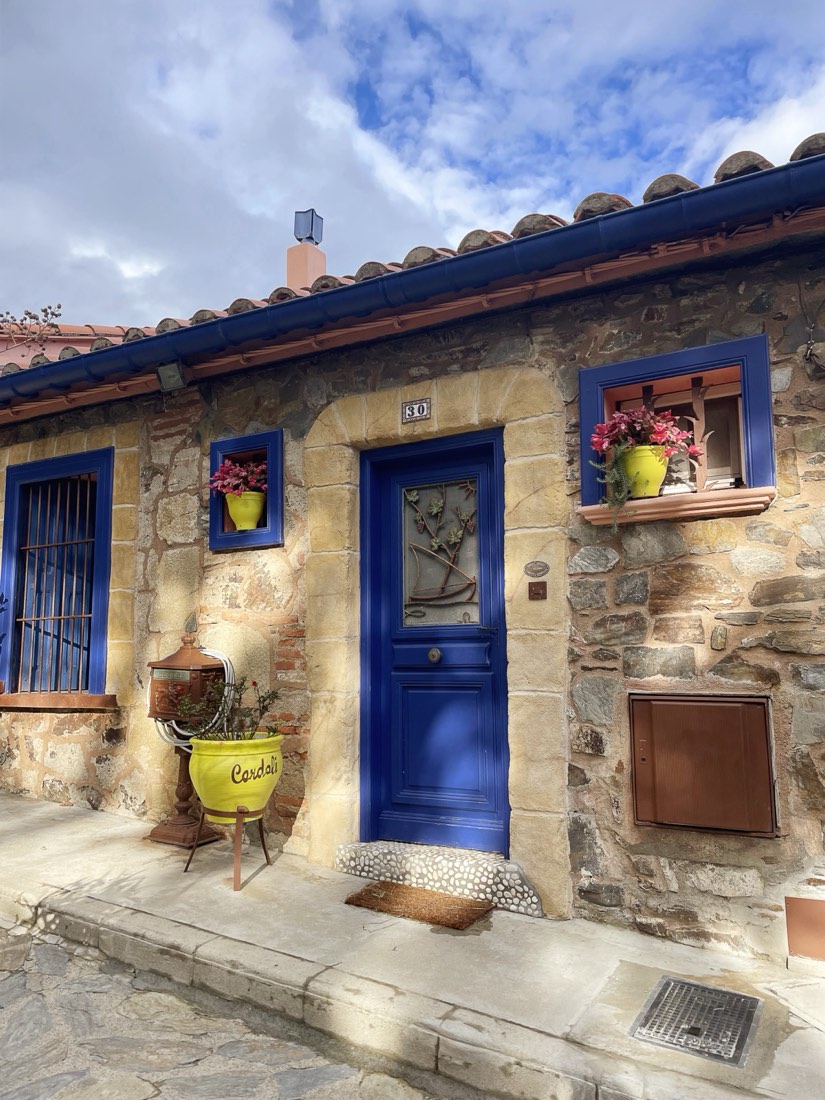
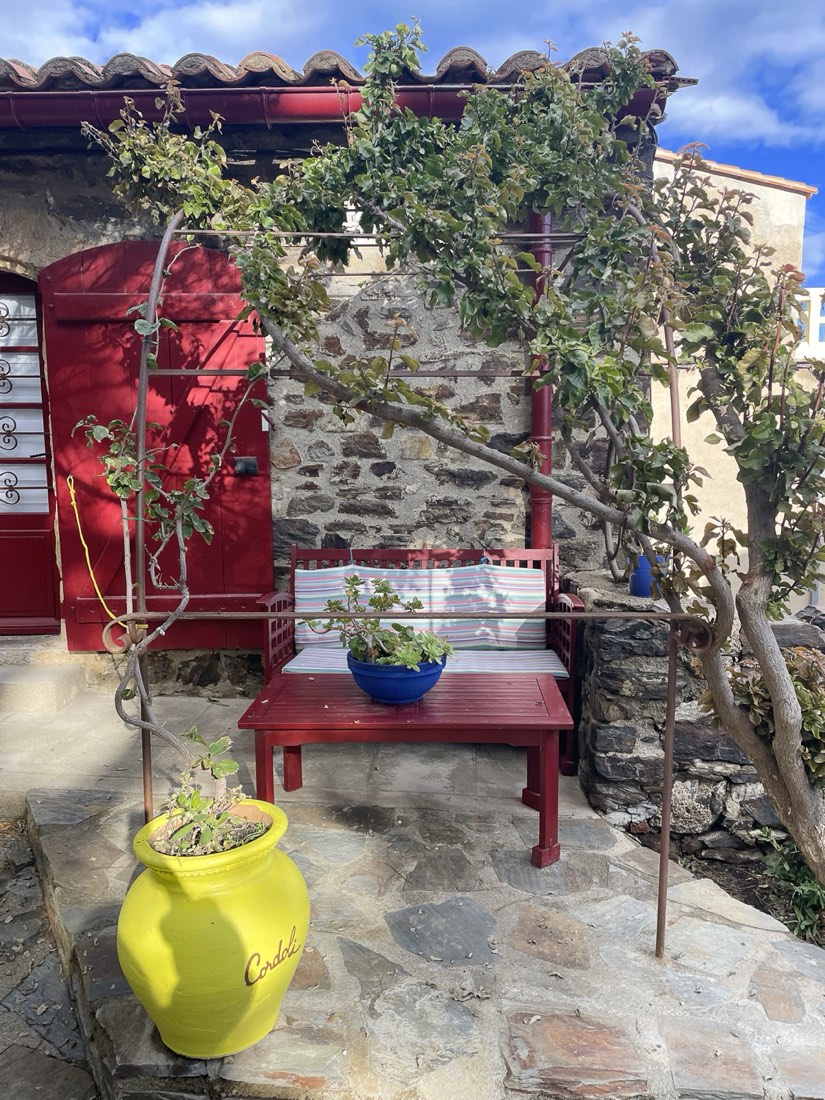
Today you'll find cozy shops, cafés, art galleries, and ice cream stands. Wander through the maze of narrow streets with pink, blue, and yellow house facades. Take in the scent of bougainvillea, jasmine, and even lemon trees.
In the center of the Avall port, take a walk through the historic Faubourg district. Meet fishermen, winemakers, anchovy salters, and repair workers, and discover Collioure's traditional trades.
Visit the beaches of Collioure
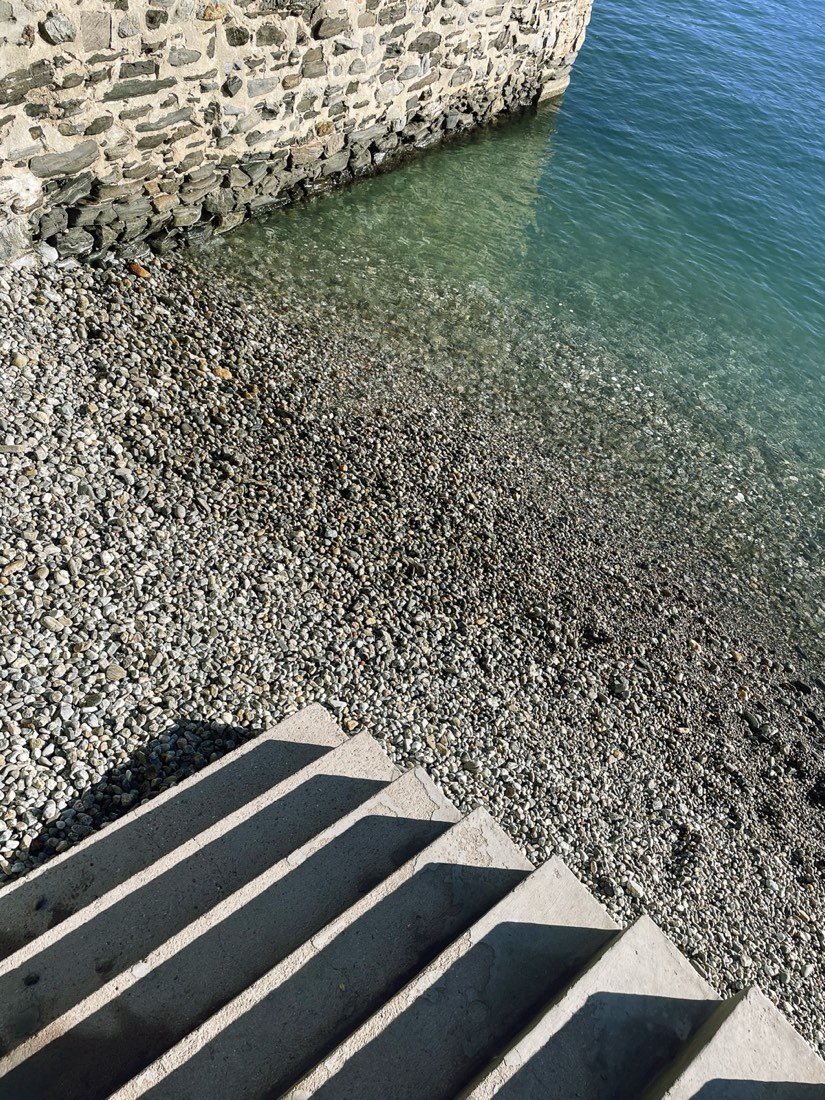
One of the main reasons to come to Collioure is the chance to enjoy its picturesque beaches, tucked along a cozy bay.
Here you'll see people sunbathing, swimming, snorkeling, paddleboarding, or just soaking up the atmosphere at one of the many beach bars and restaurants.
Here are a few beaches worth visiting:
Boramar – the main beach, ideal for those who like to be at the center of things.
Boutigue – a great choice for a family day out.
Saint-Vincent – an excellent option for water-sports fans.
Visit the Museum of Modern Art in Collioure
The museum is housed in the Villa Pams and holds an impressive collection of modern art by both local and international artists. We'd also recommend checking out the small art galleries scattered around the old town. You can discover a range of artistic styles and get to meet local artists.
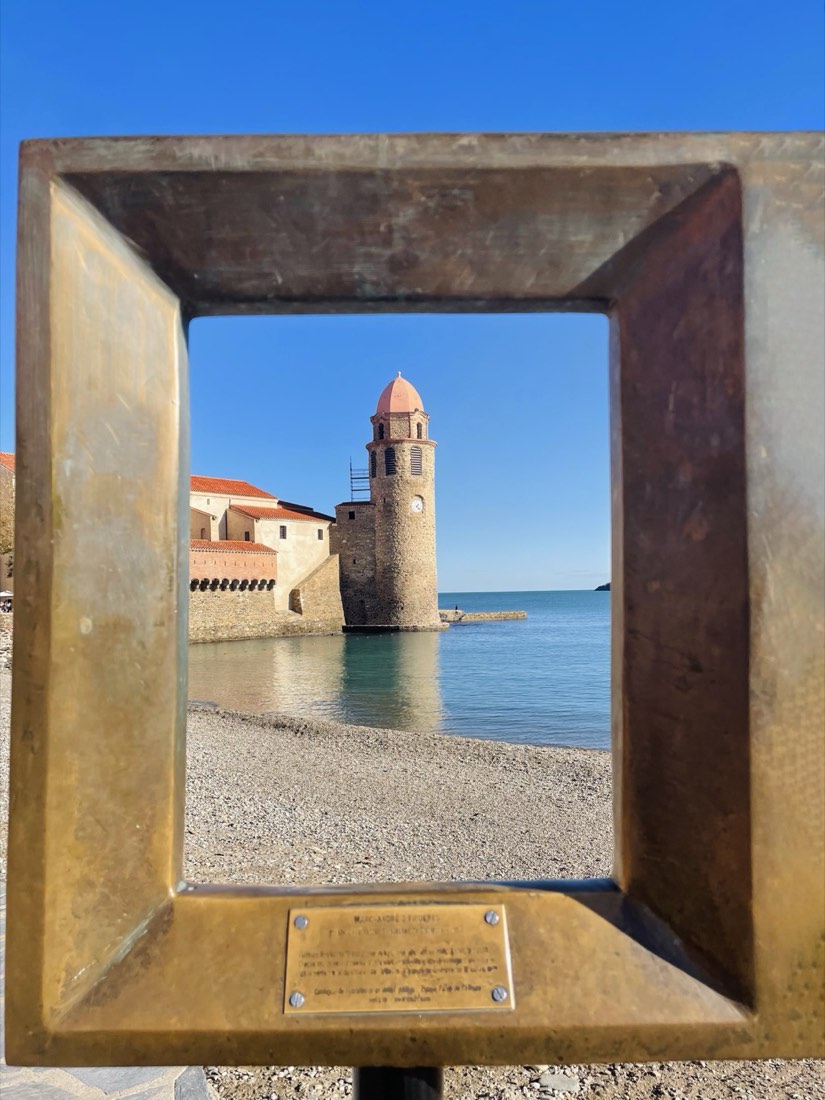
Find all the frames that reveal Collioure's most scenic views: the artist Marc André de Figueres installed 12 frames around Collioure to highlight the town's best viewpoints.
Head to the local market and try the local anchovies.
On Sundays and Wednesdays, Collioure comes alive with a market full of fresh produce, artisan goods, and local delicacies. Collioure has been known for its anchovies since the mid-15th century. The village earned its well-deserved reputation thanks to the quality of its anchovies, prepared and preserved using traditional artisanal methods passed down through generations.
You can try anchovies at the market, at a restaurant, or taste them at the Roque and Desclaux houses, two of the region's most iconic and celebrated canneries.
Take a ride on the Petit Train Touristique de Collioure.
You'll find this little tourist train at the main car park in the town center, opposite the Café Sola. It runs several times a day, making a loop from Collioure to neighboring Port-Vendres and back. The ride takes just under an hour and comes with an audio guide in English and French, telling the story of Collioure's history and culture.
A highlight of this trip is the route through Collioure's winding terraced vineyards up to the highest point — the 16th-century Fort Saint-Elme. The train stops near the fort so you can take in stunning views of Collioure, the Mediterranean, and the surrounding vineyards. It's a wonderful way to experience the beauty of the local landscape and learn more about the rich heritage of this picturesque corner of France.
France